
Small self-watering planters compared
Three ways to hold water below a plant: an internal disk, a nursery-pot wick, and an accessible tray. Start with how you want to plant.
The useful differences
Scroll sideways to compare.
| Compare | 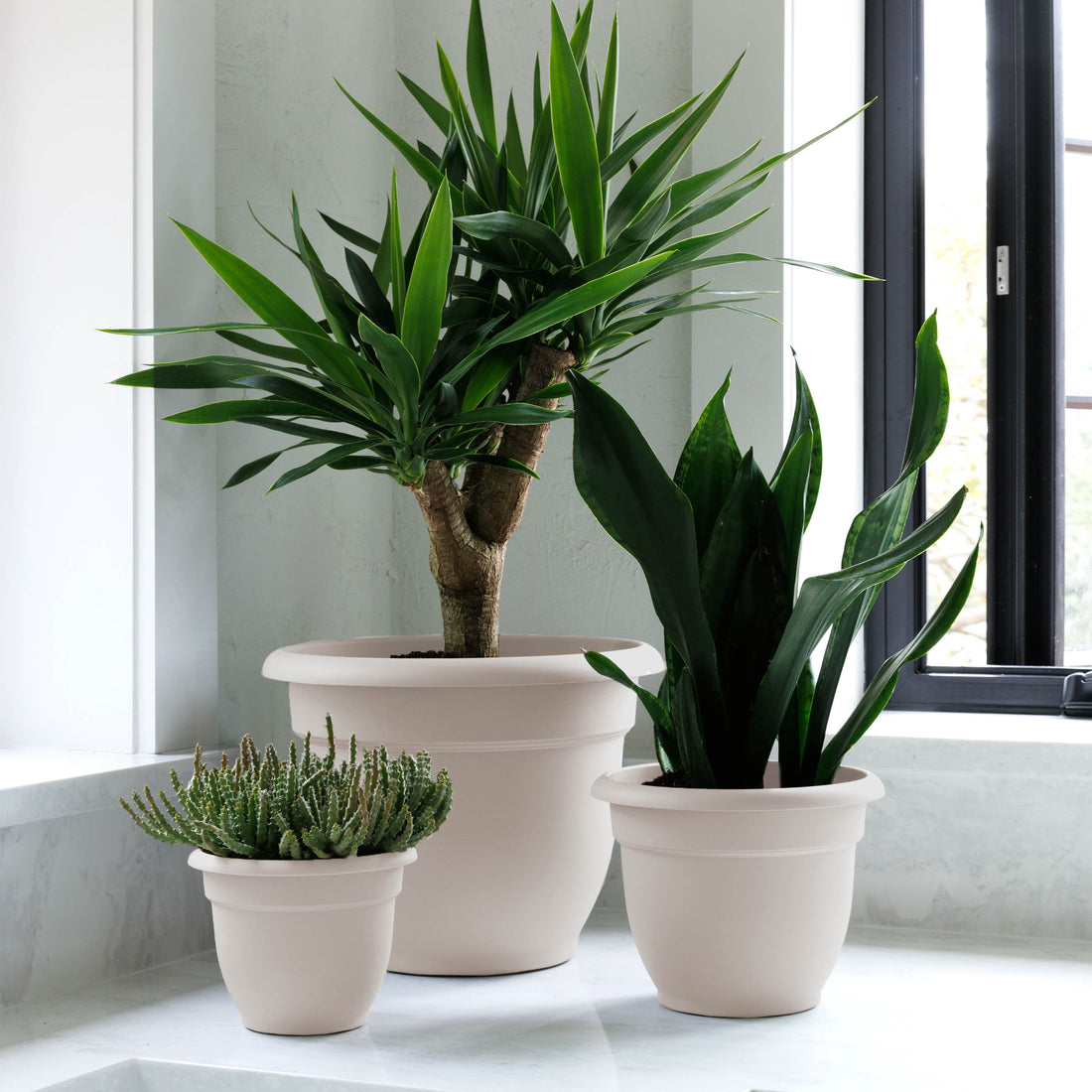 Bloem Ariana 6-inch Planter, Vanilla Bean | 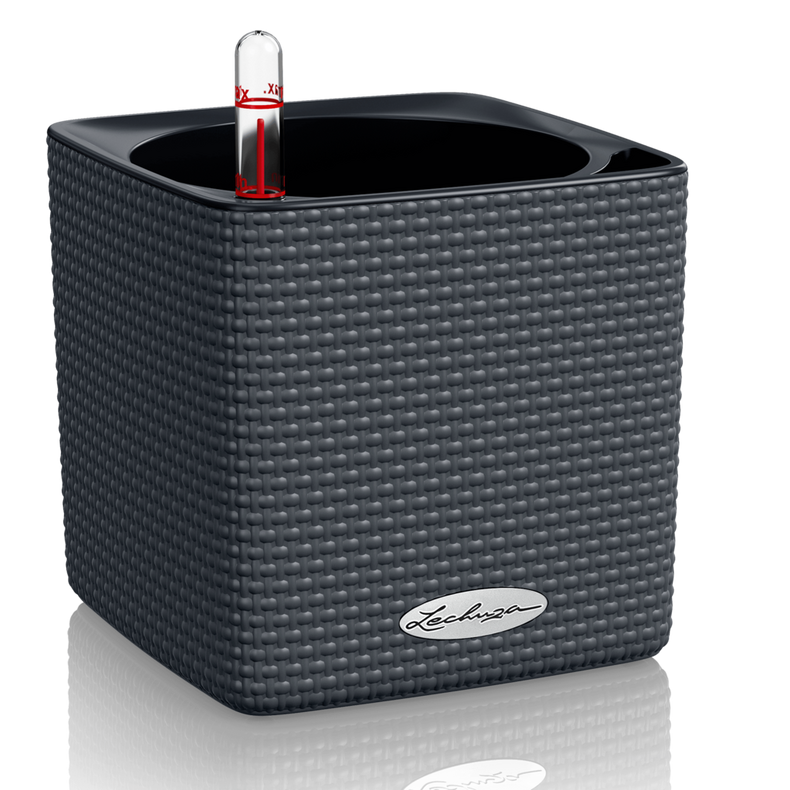 LECHUZA CUBE Color 14, Slate | 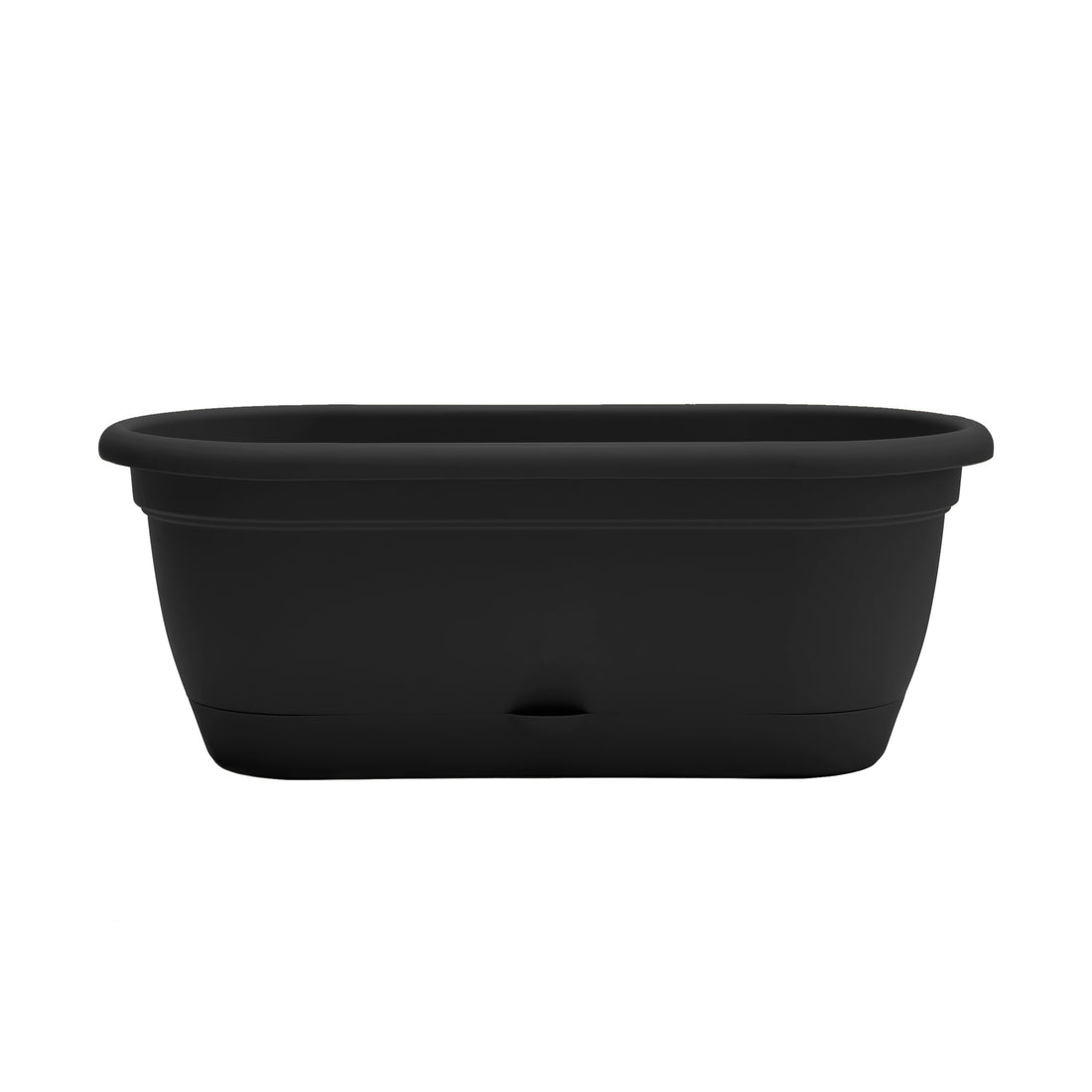 Bloem Lucca Window Box, Black |
|---|---|---|---|
| Planting method | Soil above an internal disk | Existing 10–12 cm grow pot | Soil above wicking feet and tray |
| Space to allow | Nominal 6-inch round pot | 14 × 14 cm footprint | 19 × 9.25 in footprint |
| Choose it for | A small, directly planted container | Keeping a nursery pot in its own container | A rectangular planting on a deeper ledge |
Make the planting method the first choice
Put the plant and its current grow pot on the table before comparing reservoirs. Keeping that grow pot points toward the CUBE’s wick arrangement; planting directly into a container points toward a different setup. Choosing by the reservoir number alone can leave you with a system that asks you to repot when you did not intend to.
Next, mark where your hand and water container will go during a refill. A pot that fits tightly on a shelf may be awkward to fill or inspect. Reserve the space around the indicator or tray in the same sketch as the pot itself.
- Write down whether the existing grow pot stays.
- Separate soil volume, grow-pot diameter and water volume.
- Check the setup instructions before treating a reservoir as time away from watering.
First decide what stays in the pot
The CUBE Color 14 is the outlier here. It is designed around an existing nursery pot, with a wick inserted from underneath. That makes the diameter of the pot you already own the first measurement to check. A plant sold in a larger container does not become compatible simply because its foliage looks small.
The Ariana and Lucca are directly planted containers. Their quoted soil capacities describe a different job from the CUBE’s nursery-pot fit. Putting all three in a list sorted by “capacity” would hide the distinction.
Leave yourself somewhere to pour
A reservoir needs a practical refill route. Before choosing a position, imagine approaching it with your watering can while nearby pots are still in place. A tray opening against a wall or behind another planter defeats the convenience of having one.
For a single nursery pot, the CUBE has a tidy square footprint. For several plants sharing one container, the Lucca provides a longer shape but asks for more front-to-back shelf space. The Ariana is the smaller direct-planting option in this comparison.
Treat the reservoir as storage, not a calendar
None of these listings establishes a reliable number of unattended days for your particular plant, room, or weather. Reservoir capacity cannot supply that answer on its own. Start by observing the actual refill interval in the intended position.
For an exposed outdoor position, also resolve drainage before planting. A reservoir and a rain overflow are different features; the Ariana and Lucca arrive with bases that need their outdoor drainage prepared.
Sources
- Bloem Ariana 6-inch Planter, Vanilla Bean — manufacturer specificationsChecked November 15, 2026
- LECHUZA CUBE Color 14, Slate — manufacturer specificationsChecked November 15, 2026
- Bloem Lucca Window Box, Black — manufacturer specificationsChecked November 15, 2026