Pots & planters 3 products
Small self-watering planters compared
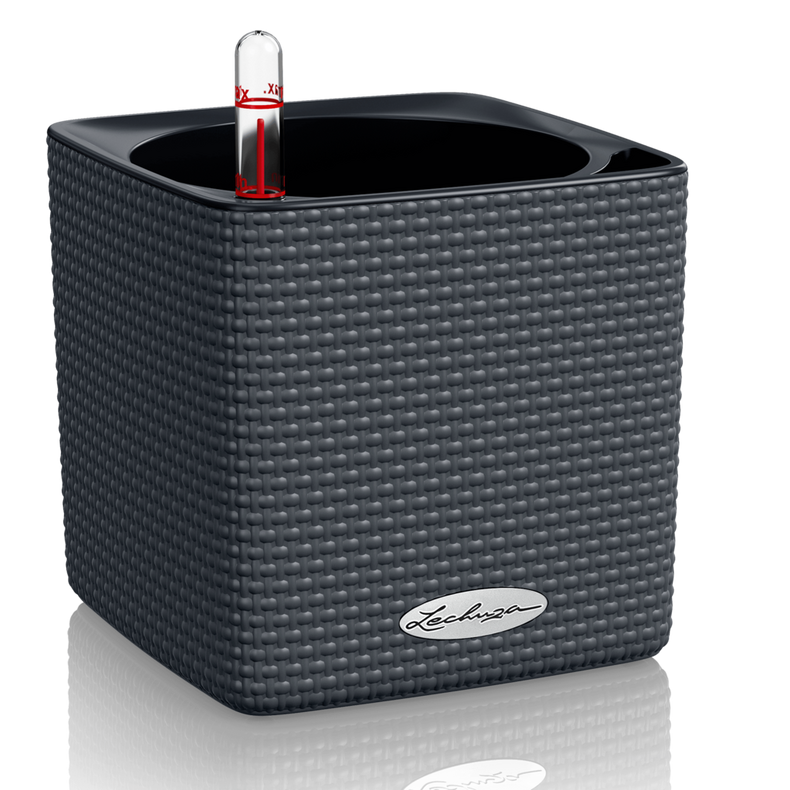
Three ways to hold water below a plant: an internal disk, a nursery-pot wick, and an accessible tray. Start with how you want to plant.
Read the notes
Container gardening in small spaces.
Pots & planters ·
A saucer, a reservoir and a sealed base need different handling. Compare the drainage arrangements on four common planters before adding soil.
Read the drainage guide →
Rim size, root space, reservoirs, and rail fittings: the details that decide where a planter belongs.
More articles →Pots & planters 3 products
Three ways to hold water below a plant: an internal disk, a nursery-pot wick, and an accessible tray. Start with how you want to plant.
Read the notes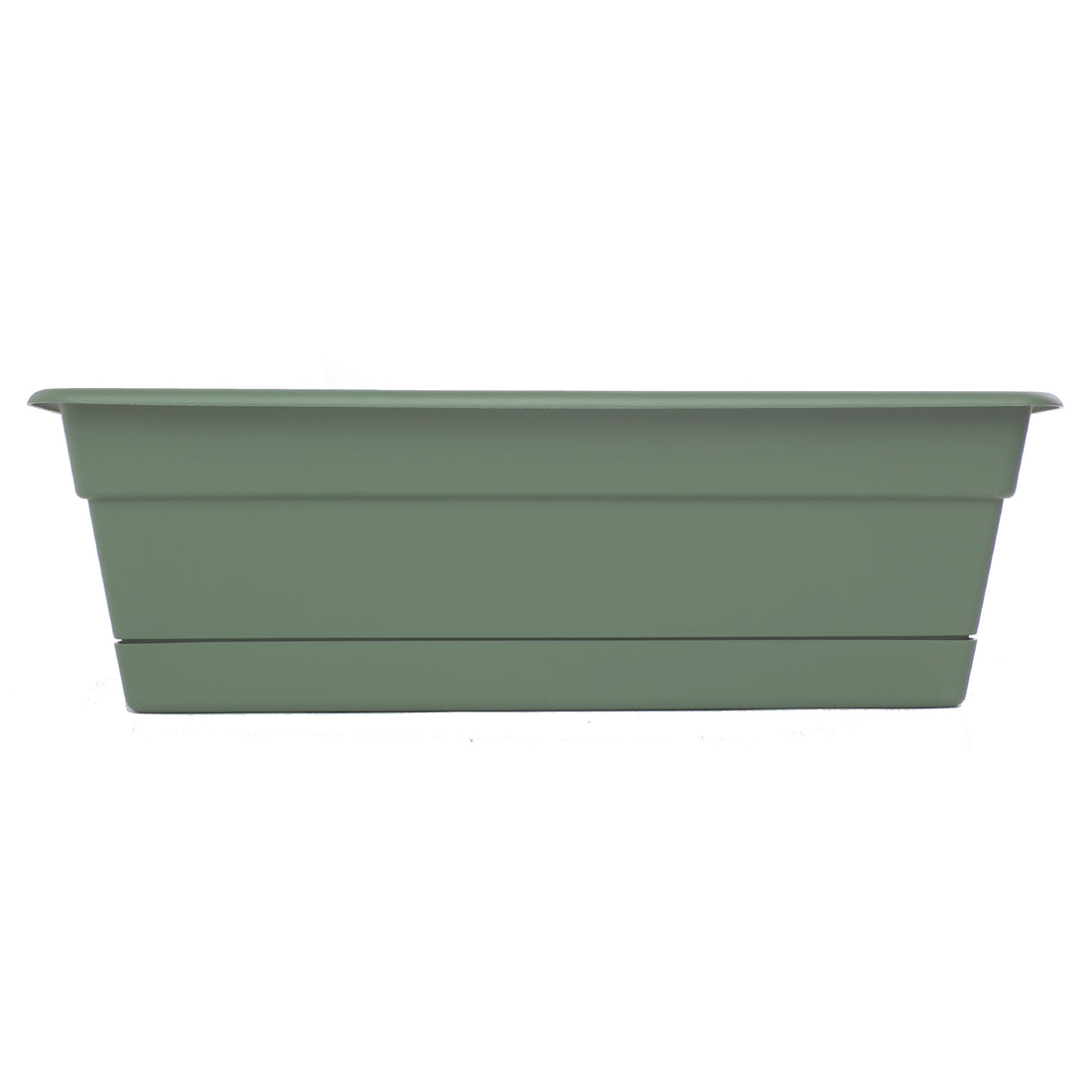
Pots & planters 3 products
An 18-inch box can still be too deep for the ledge. Compare three narrow planters by the space they occupy from front to back.
Read the notes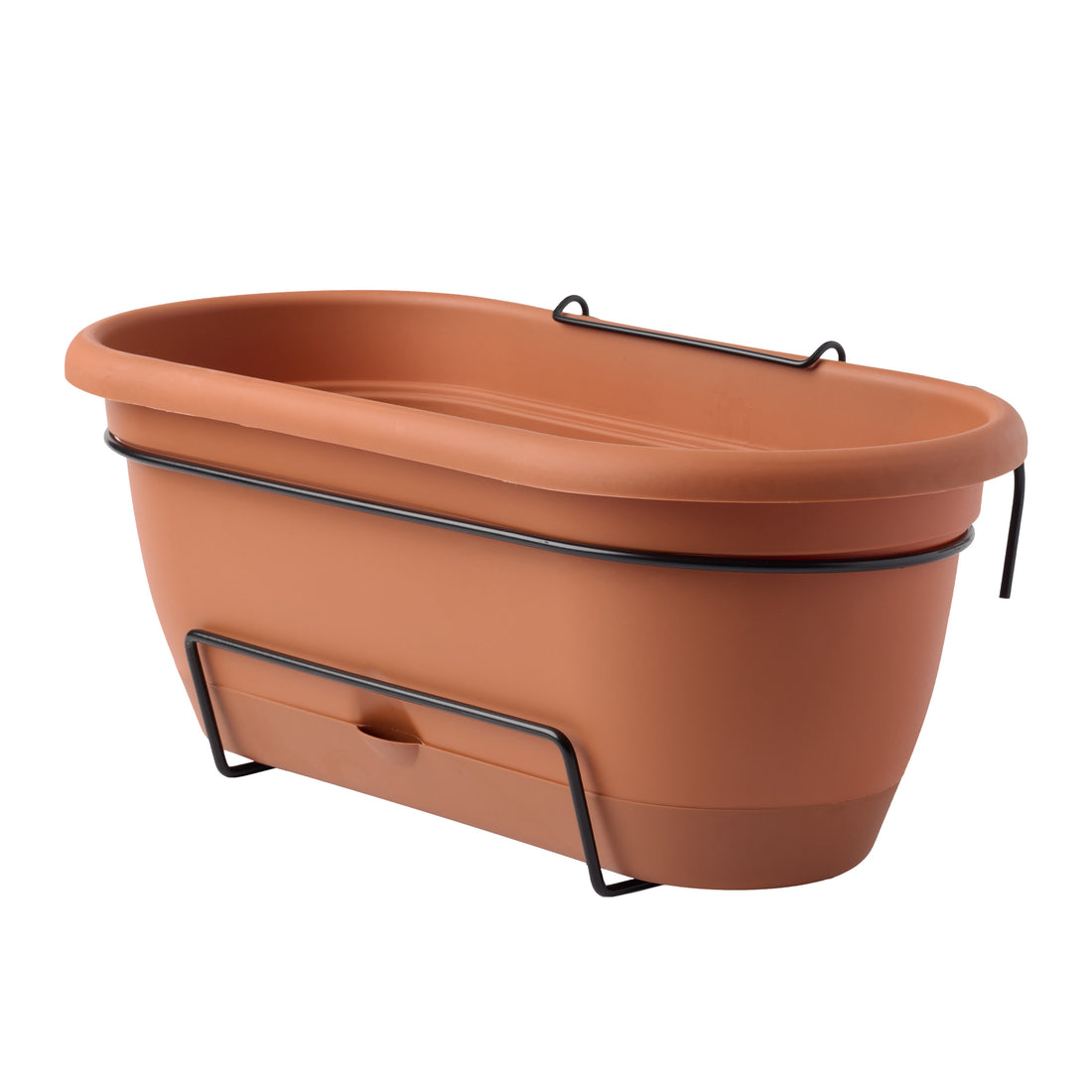
Pots & planters 3 products
Lucca, Classic Deck Rail, and BALCONERA use different measurements to describe attachment. Match the fitting to the rail before choosing the planter.
Read the notes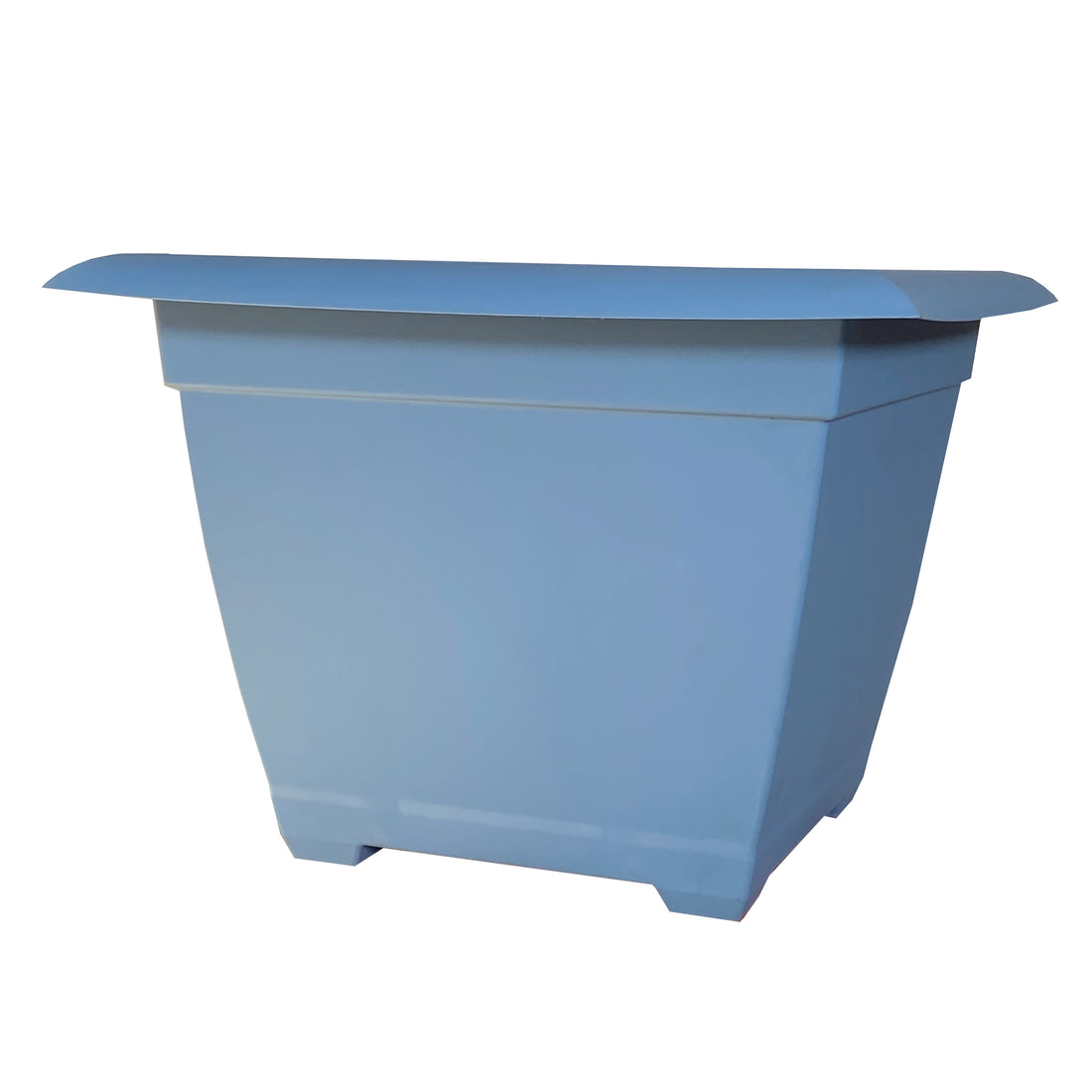
Pots & planters 3 products
A small nursery-pot holder, a round reservoir pot, and a larger square planter solve different space problems. Choose the planting scale before the shape.
Read the notesPots & planters 4 products
Sealed knockouts, an open base and saucer, or a removable overflow screw: these are different drainage arrangements, even when the pots look similar.
Read the notesSmall cans, long spouts, and the difference between enough water and too much weight to carry.
More articles →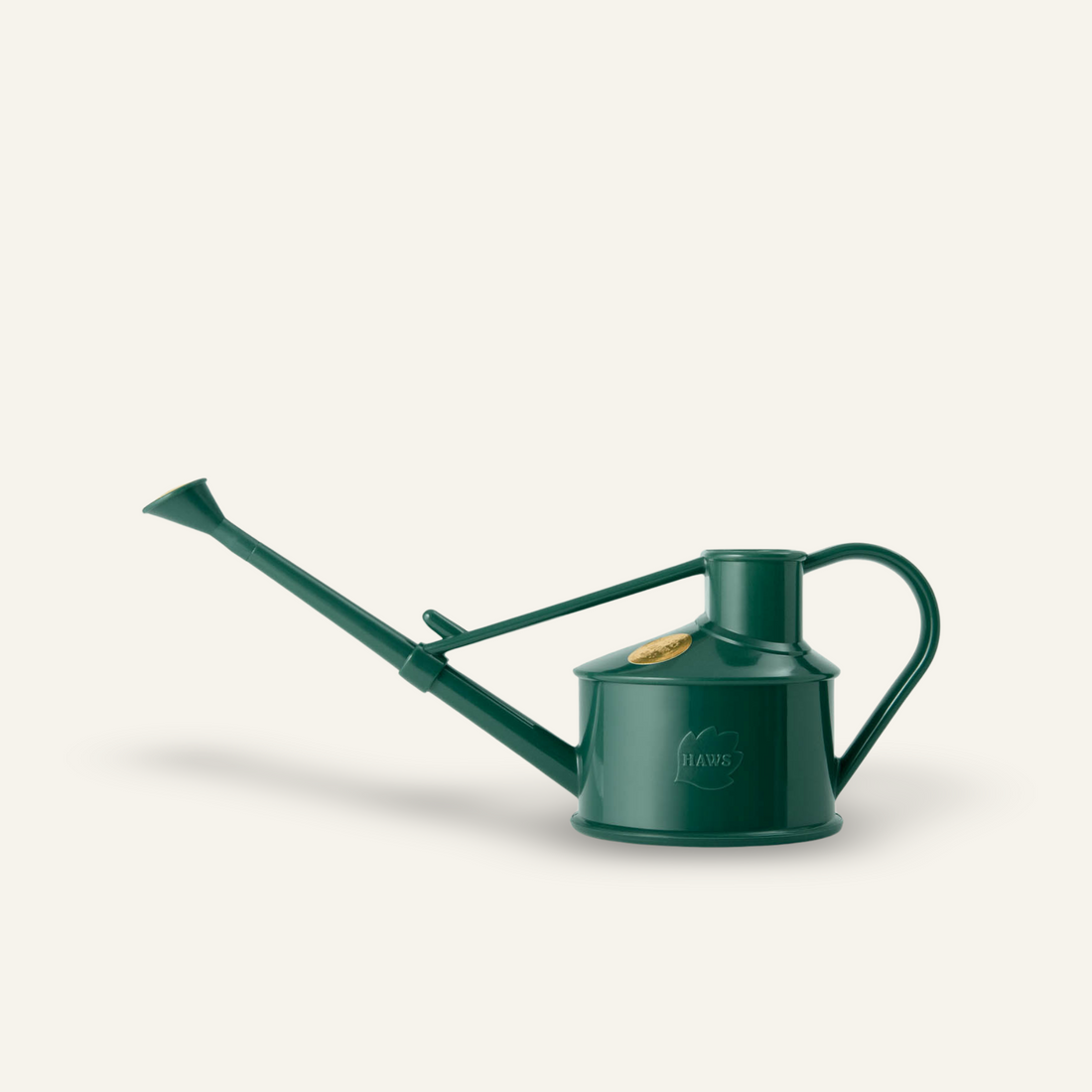
Watering cans & spouts 3 products
The 0.6-litre Langley, 1-litre Bartley, and 56-ounce Aqua Rite trade refill frequency against weight and reach. Their spouts matter as much as their capacity.
Read the notes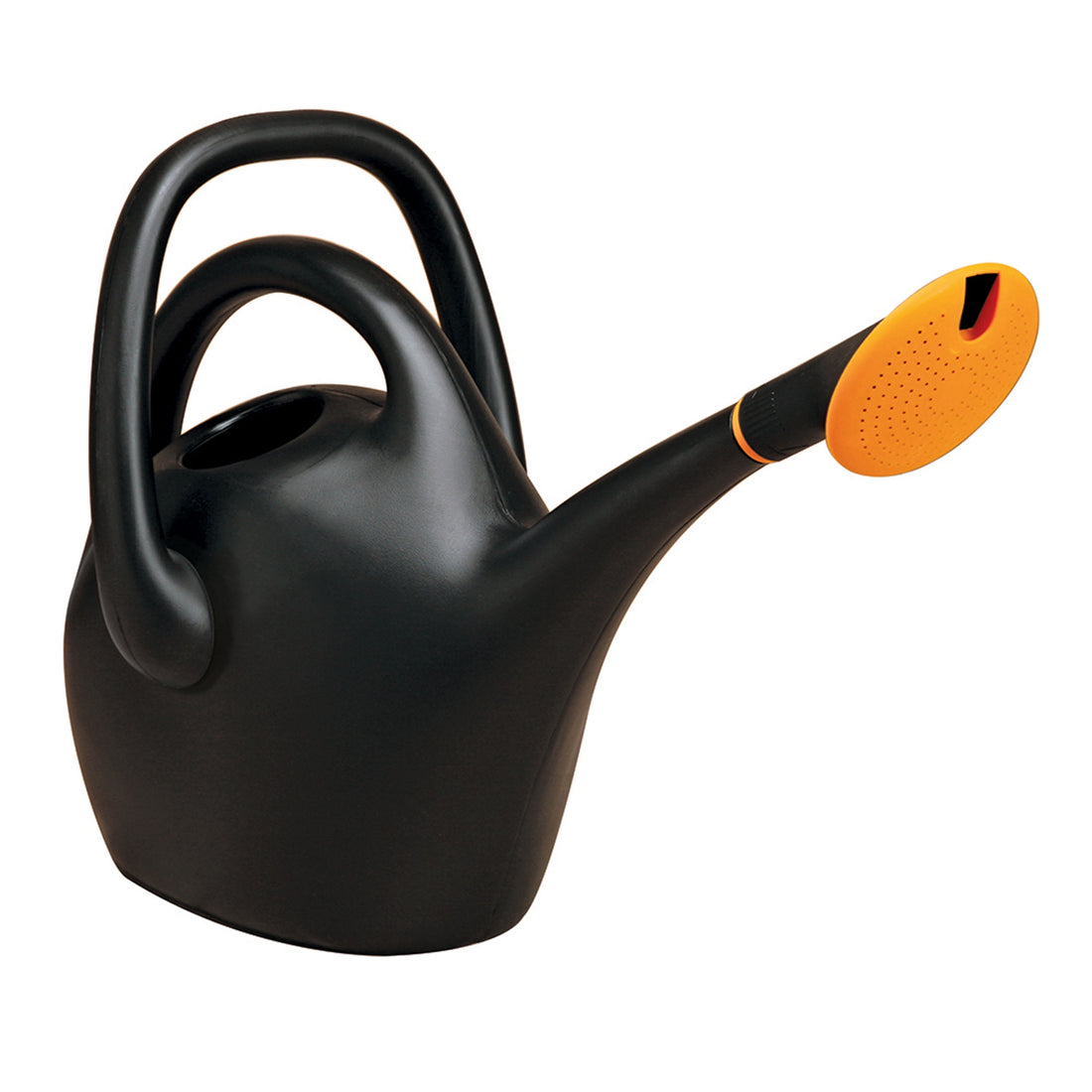
Watering cans & spouts 3 products
Compare a 56-ounce can, a 2.25-litre can, and a 2.6-gallon can by water load and carrying route, rather than assuming bigger is more convenient.
Read the notes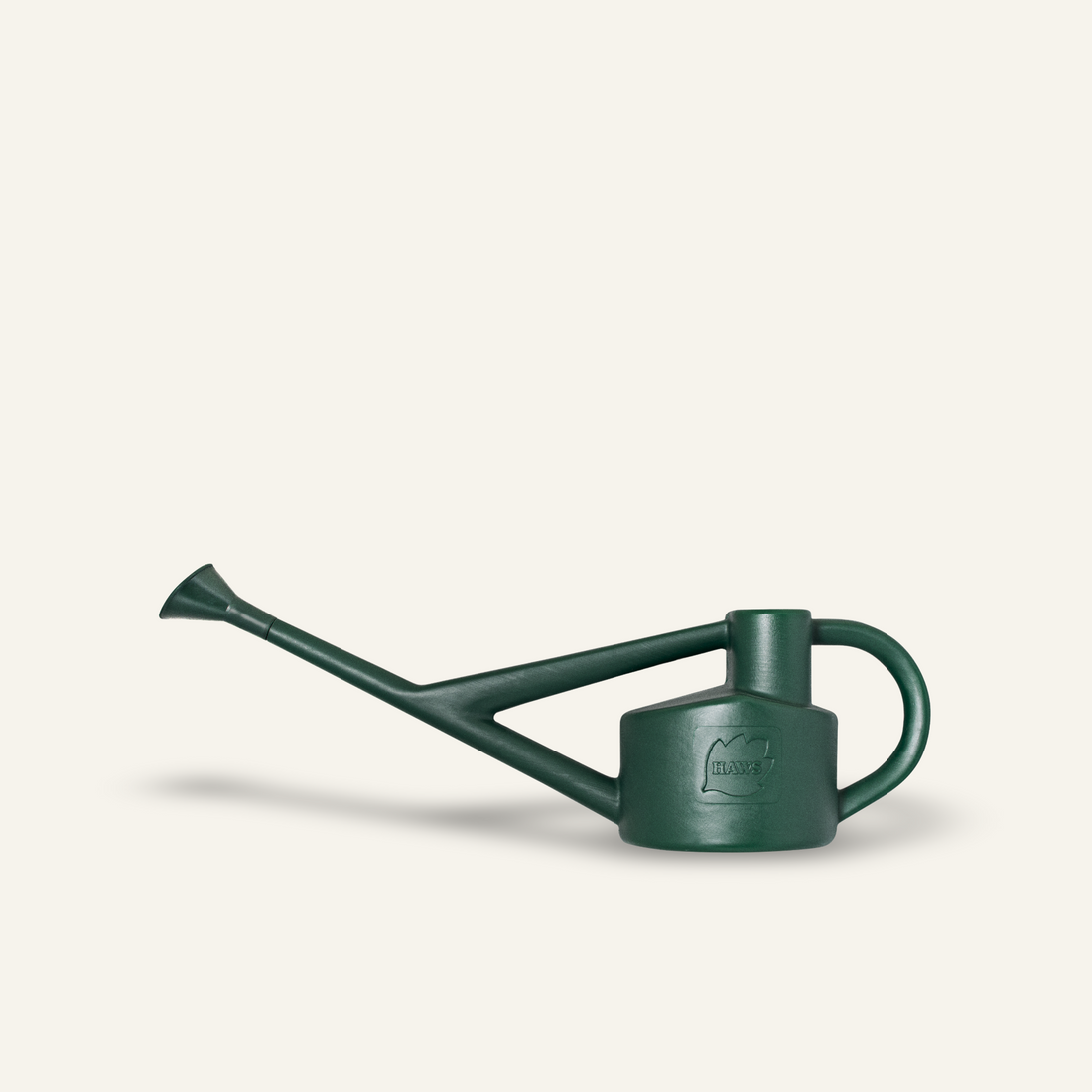
Watering cans & spouts 4 products
Four cans offer different ways to deliver water. The removable piece is worth checking before you buy a spare attachment.
Read the notesTray footprints, removable cells, and covers that actually fit the equipment underneath.
More articles →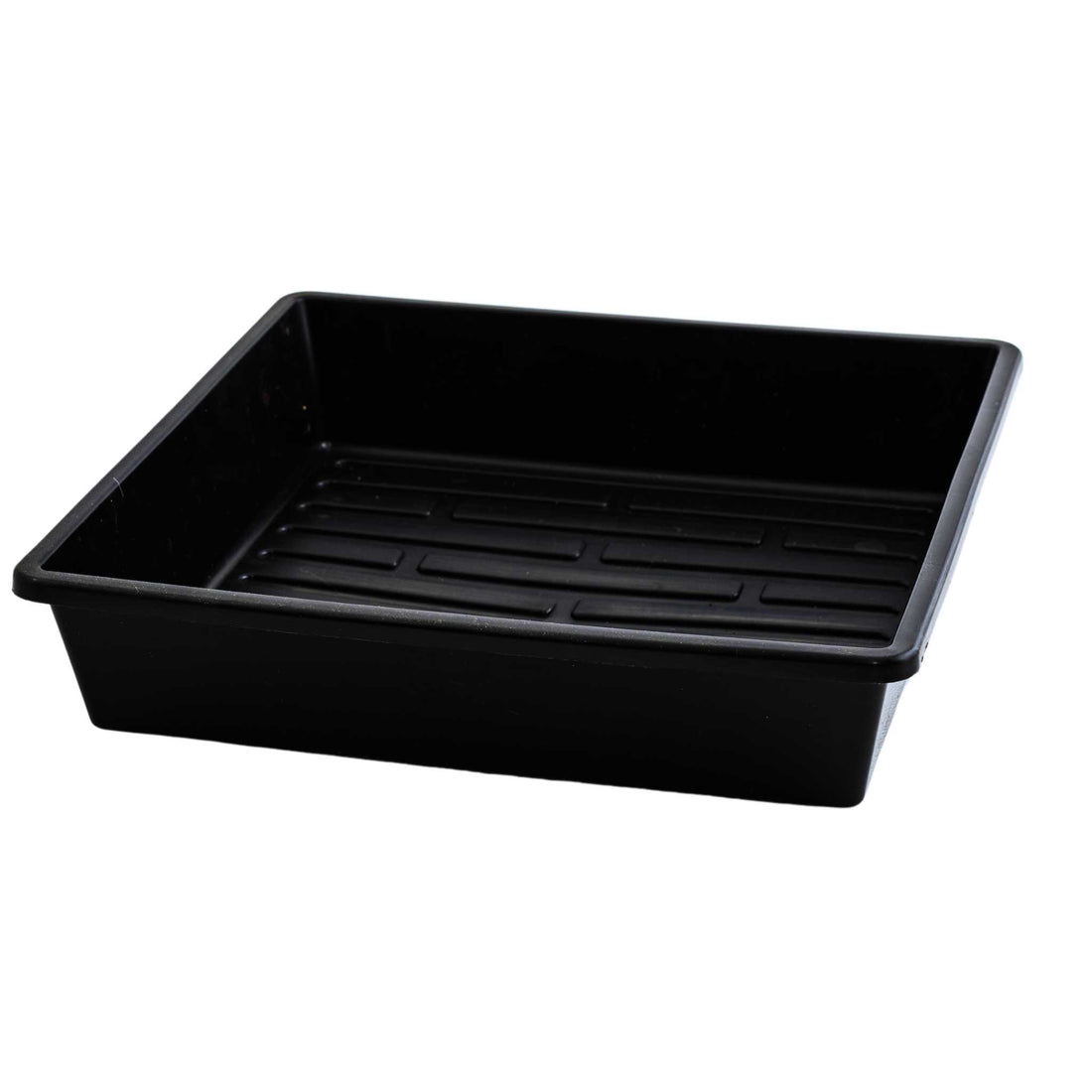
Seed starting 3 products
Actual outer rims and tray depth decide whether a seed-starting setup fits. Compare a half-size tray with deep and shallow full-size options.
Read the notes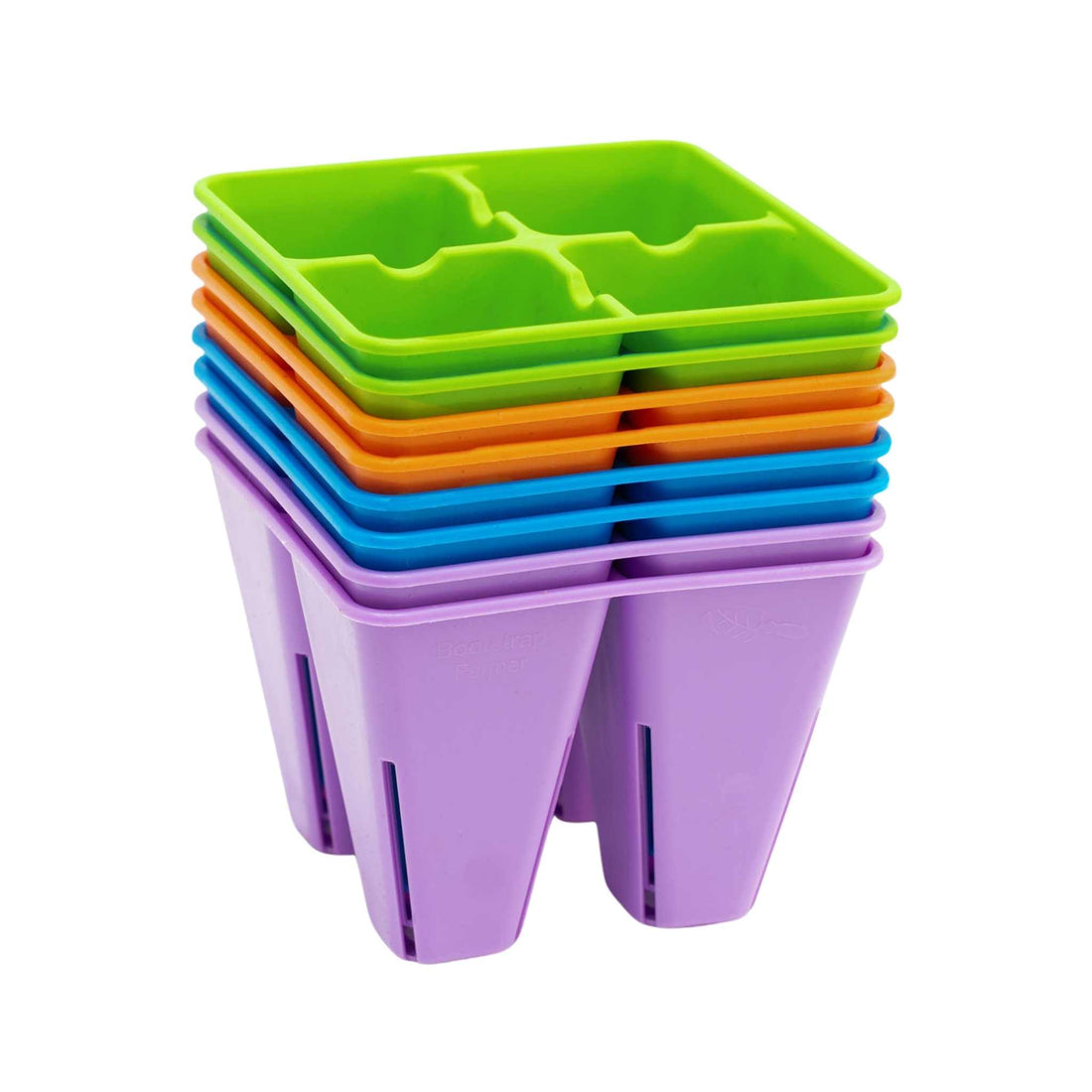
Seed starting 4 products
Compare four nursery-container formats by how many fit a tray and how they can be moved. More cells per tray is only useful when that is the arrangement you need.
Read the notes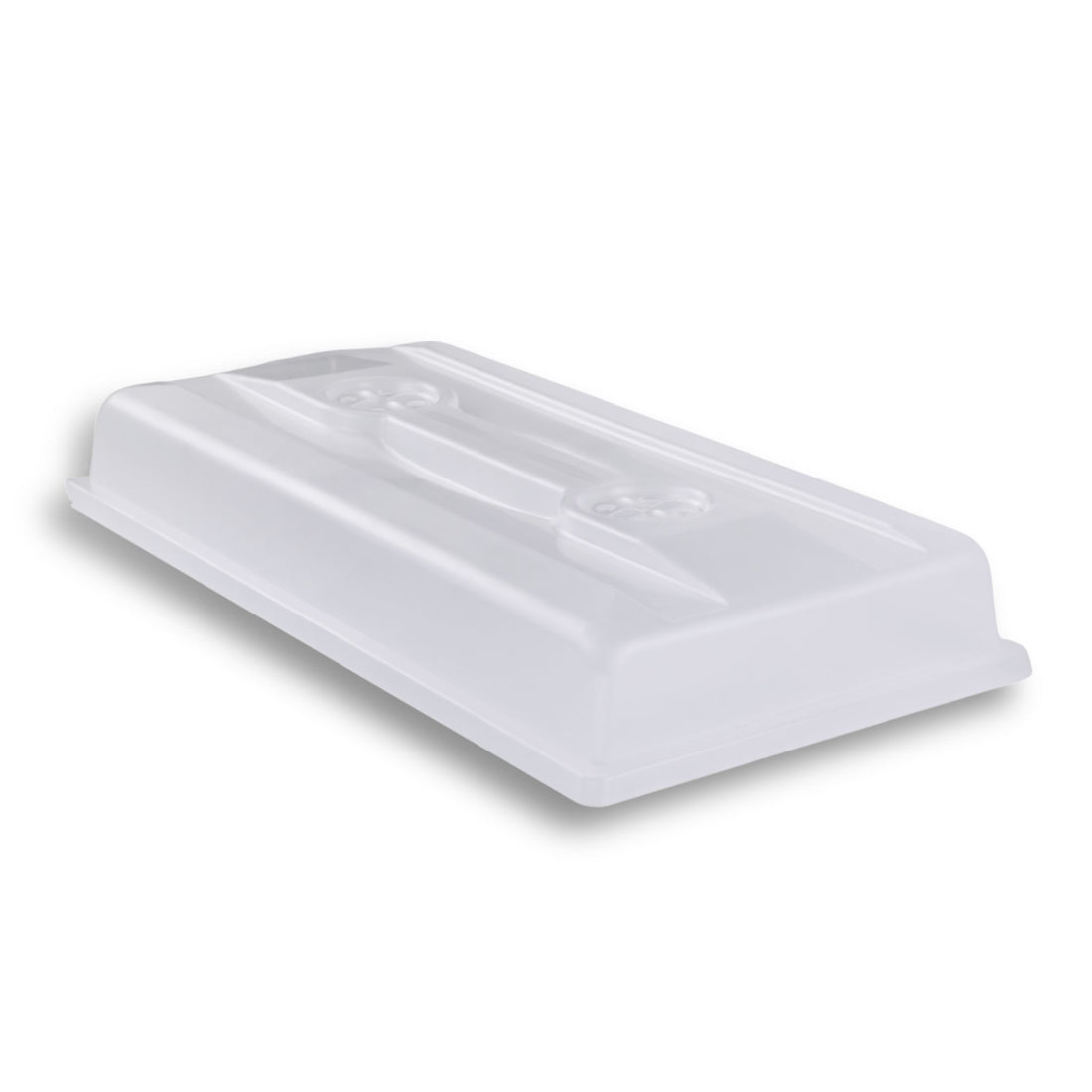
Seed starting 4 products
Start with the complete stack: base tray, cells or pots, optional carrier, and cover. Two domes and two insert formats reveal why the shared size name is not enough.
Read the notes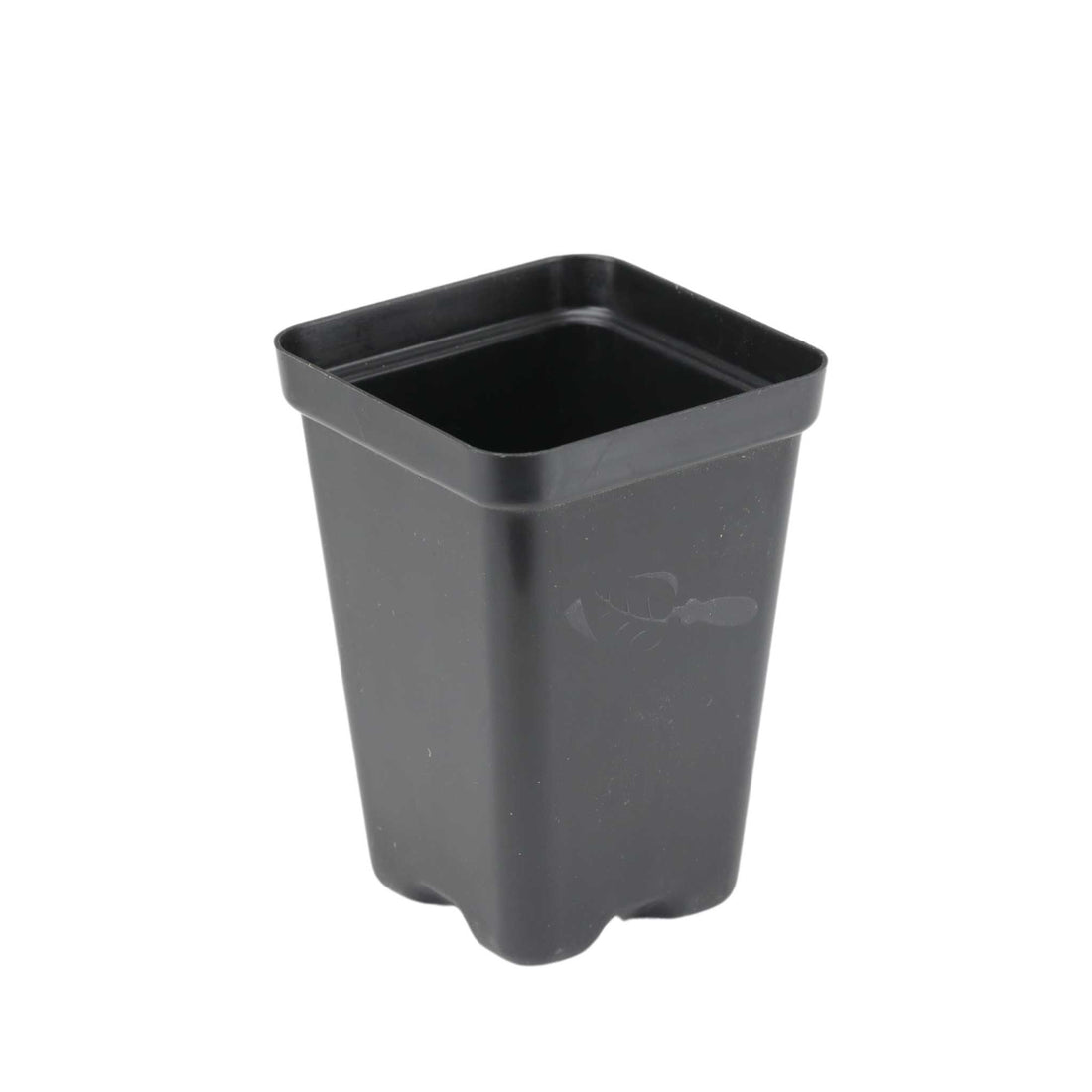
Seed starting 5 products
A half-tray batch, a full tray of small cells, or individual pots: start with one documented arrangement before adding more equipment.
Read the notesA pot on a sill, a few herbs by a door and one seed tray on a shelf ask different things of their equipment. This catalog starts with the limits that are easy to miss in a product photo: rim depth, water-catching parts, rail hardware and the room needed to lift a cover.
Pick the job first. The planter guides compare how containers sit and drain; watering guides compare the trip from tap to pot; seed-starting guides keep tray, insert and dome compatibility on the same parts list. Product pages keep the exact model and source details beside those decisions.