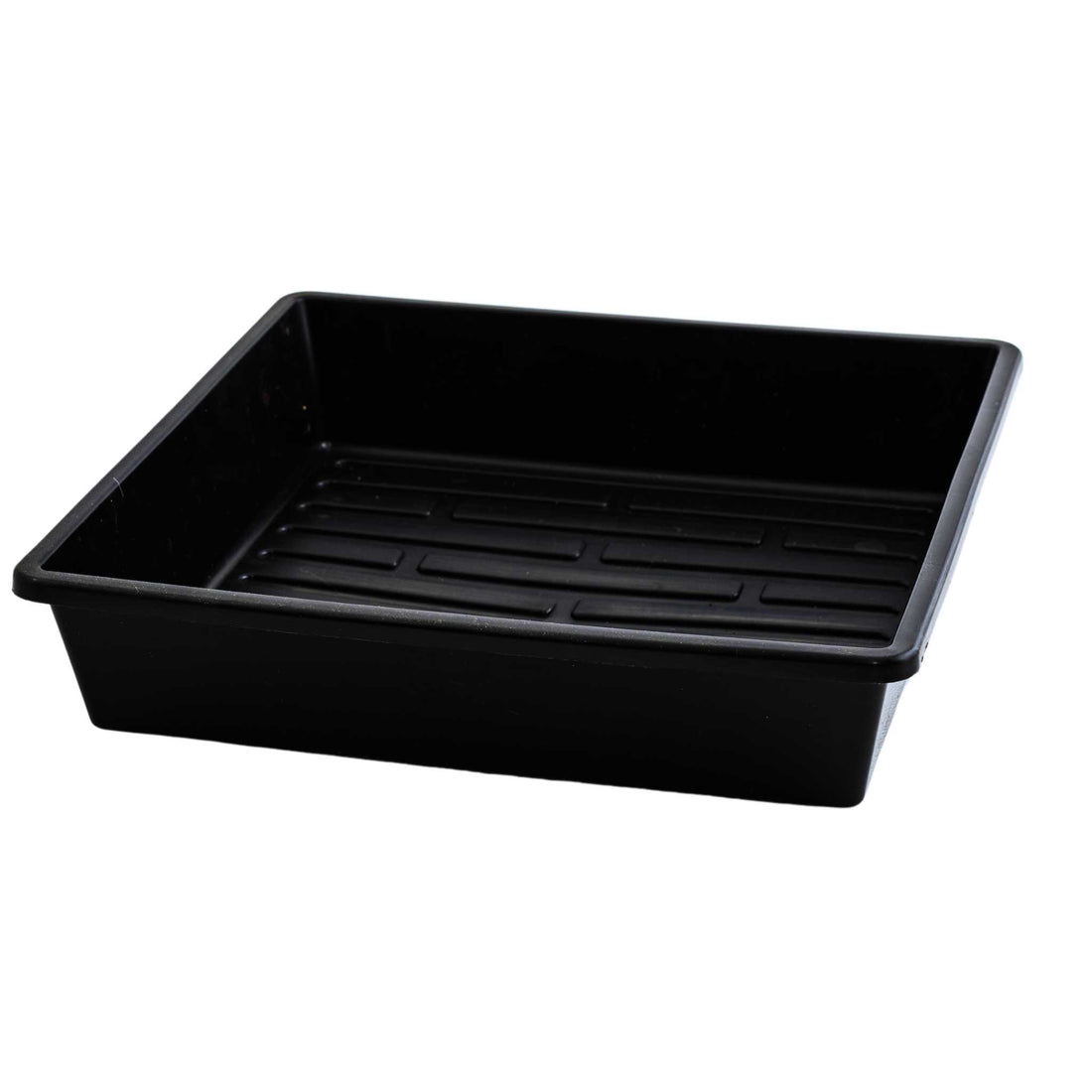
Seed starting 3 products
1010 and 1020 seed tray dimensions
Actual outer rims and tray depth decide whether a seed-starting setup fits. Compare a half-size tray with deep and shallow full-size options.
Read the notes
Container gardening in small spaces.
Posts filed under
Tray footprints, removable cells, and covers that actually fit the equipment underneath.
Begin with a base that fits the shelf and handles water the way the setup requires. Add the documented insert or pot arrangement, then check any carrier and cover. Nominal tray names are useful for finding a family, but the exceptions decide whether the parts belong together.
Count retail packs separately from the number that fits one tray. It is easy to buy a forty-pack of pots and assume the pack describes a tray arrangement, or halve a full-tray count and miss a tapered half tray.
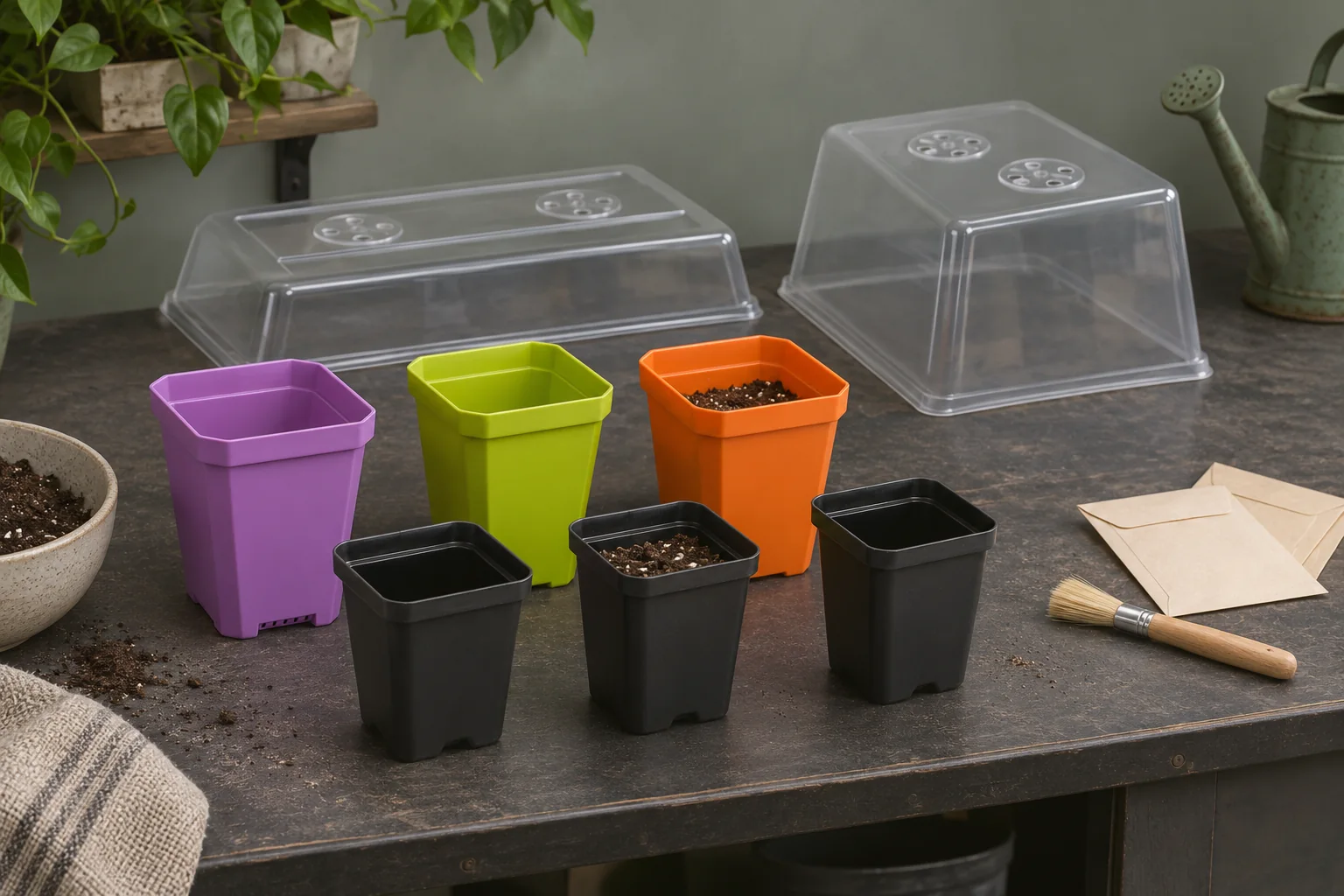
Seed starting 3 products
Actual outer rims and tray depth decide whether a seed-starting setup fits. Compare a half-size tray with deep and shallow full-size options.
Read the notes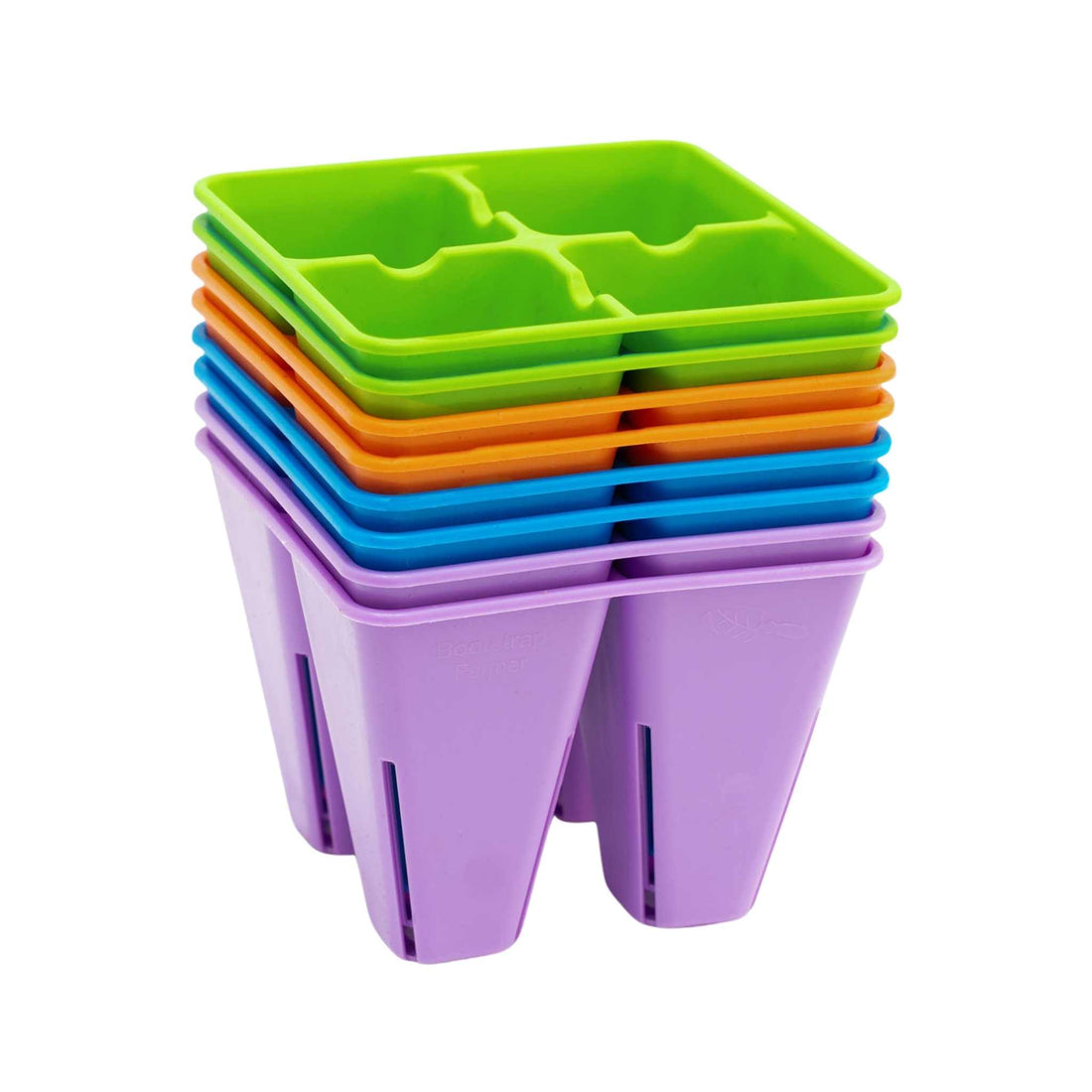
Seed starting 4 products
Compare four nursery-container formats by how many fit a tray and how they can be moved. More cells per tray is only useful when that is the arrangement you need.
Read the notes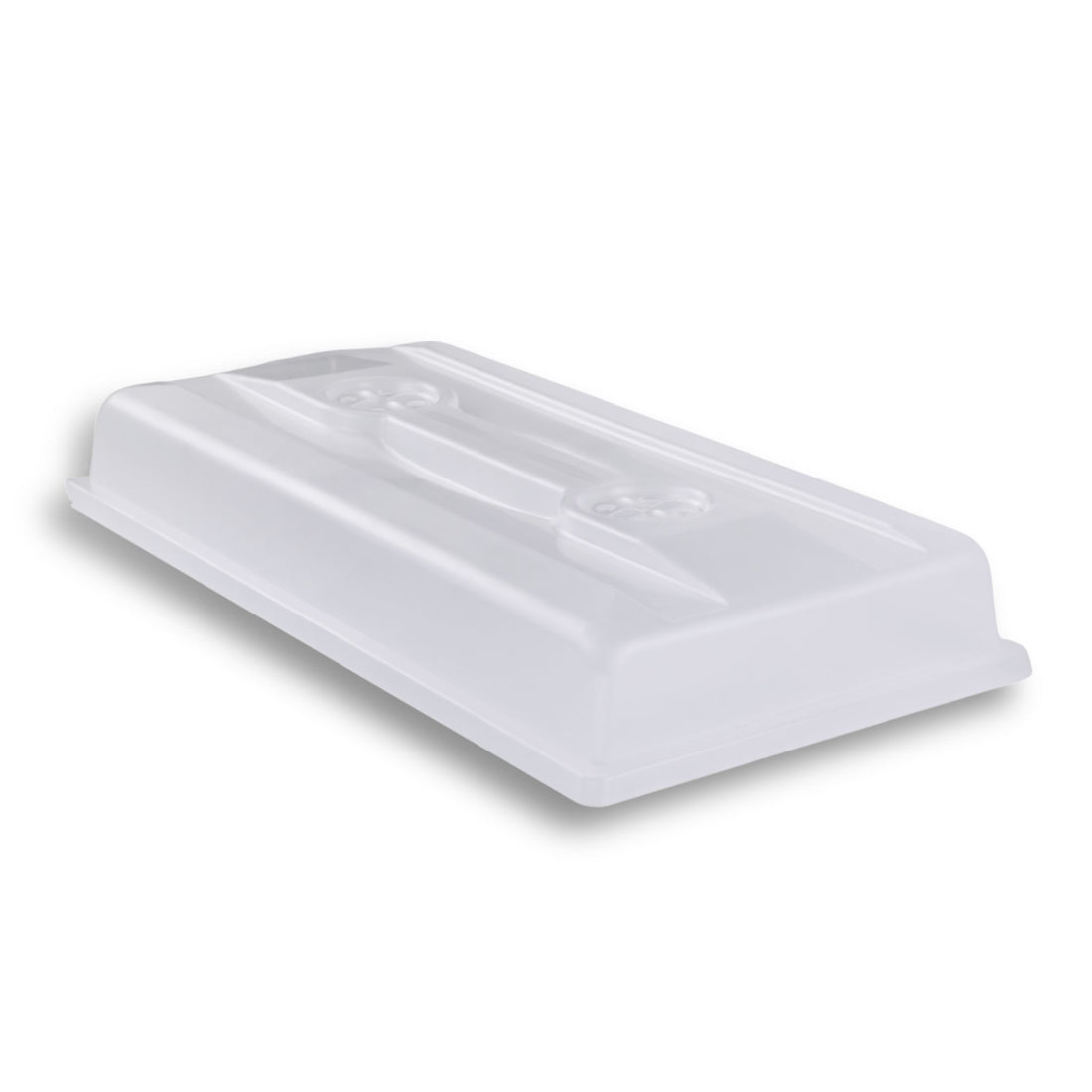
Seed starting 4 products
Start with the complete stack: base tray, cells or pots, optional carrier, and cover. Two domes and two insert formats reveal why the shared size name is not enough.
Read the notes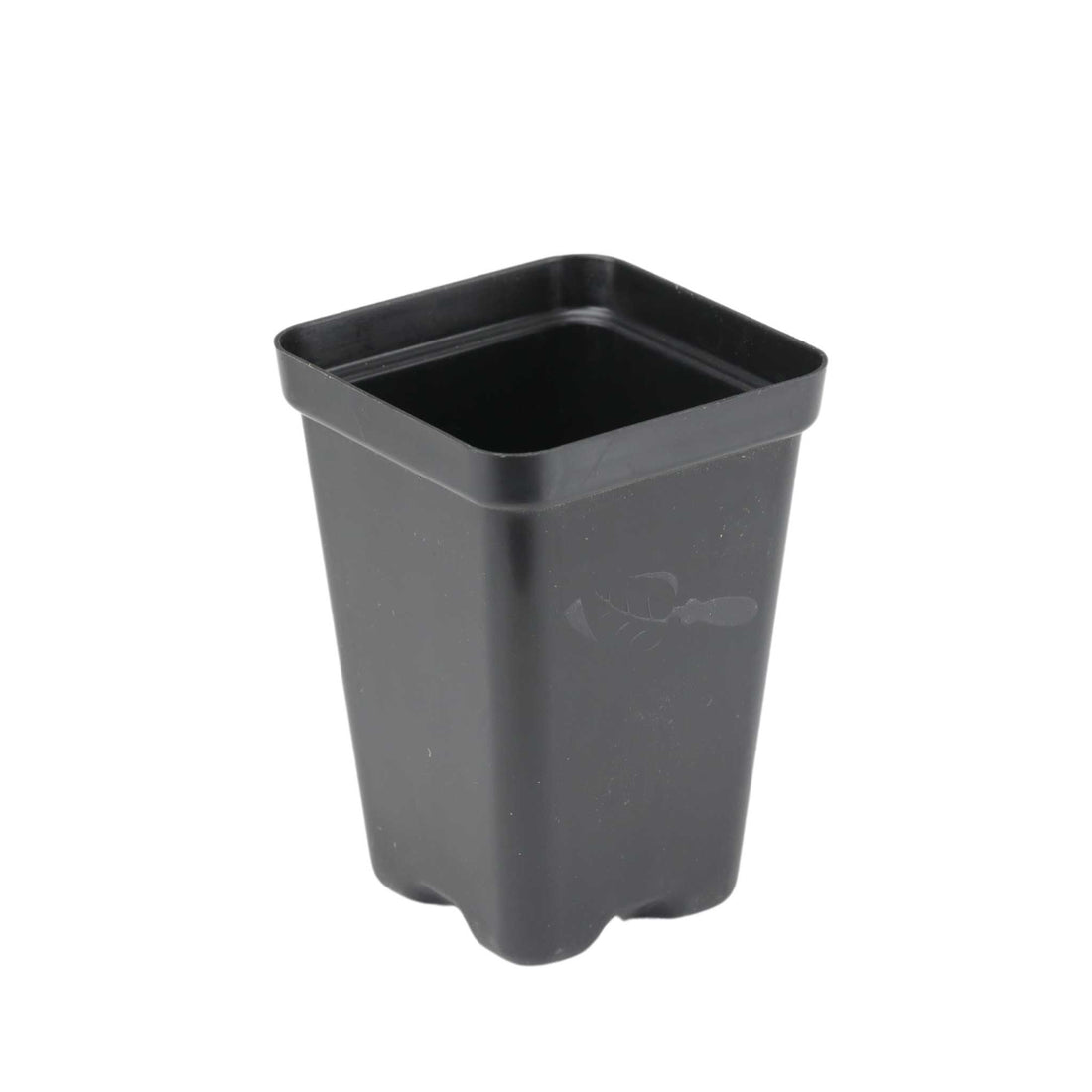
Seed starting 5 products
A half-tray batch, a full tray of small cells, or individual pots: start with one documented arrangement before adding more equipment.
Read the notes