
Seed-starting equipment lists for three tray setups
A half-tray batch, a full tray of small cells, or individual pots: start with one documented arrangement before adding more equipment.
The useful differences
Scroll sideways to compare.
| Compare | 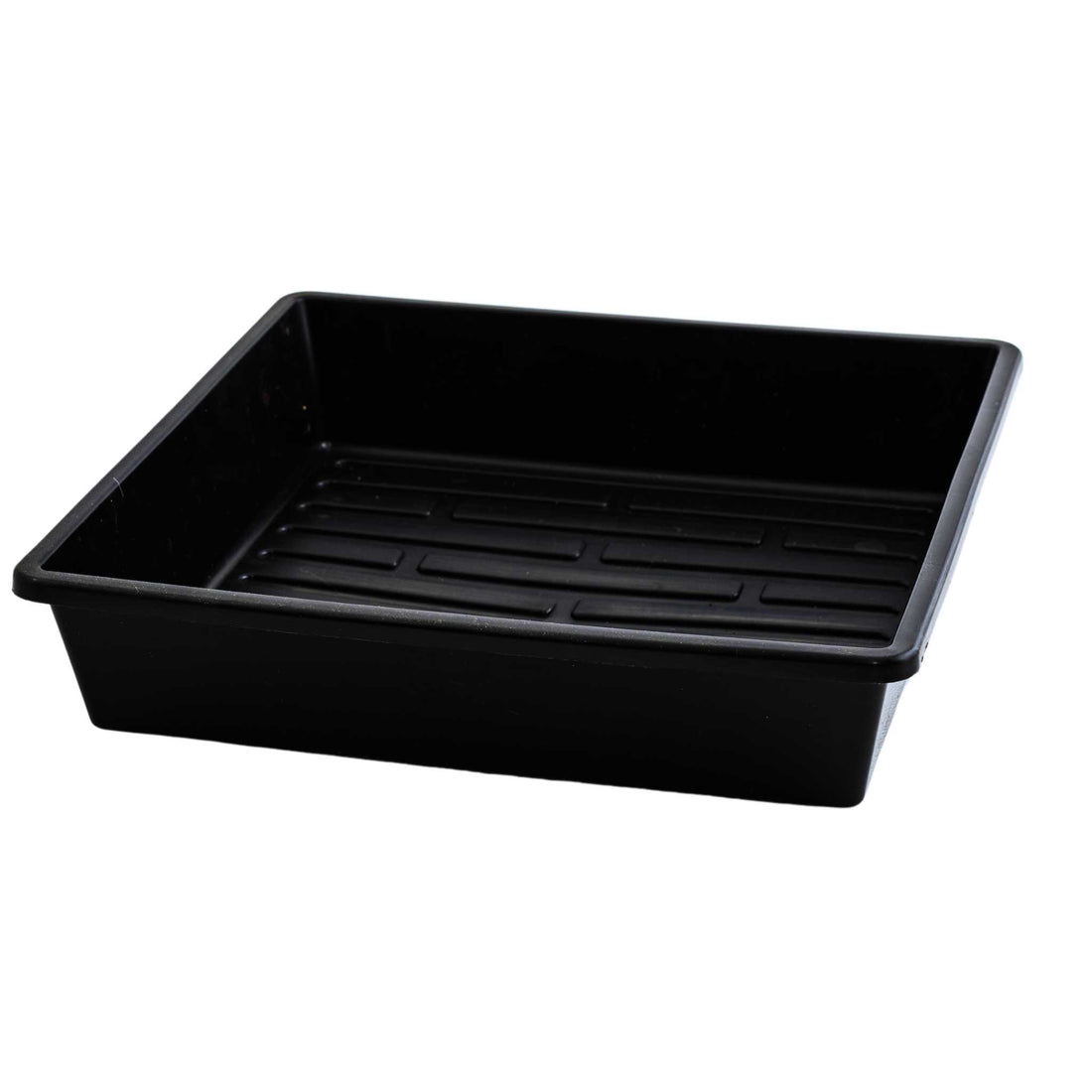 Bootstrap Farmer 1010 Deep Tray, Black / No Holes | 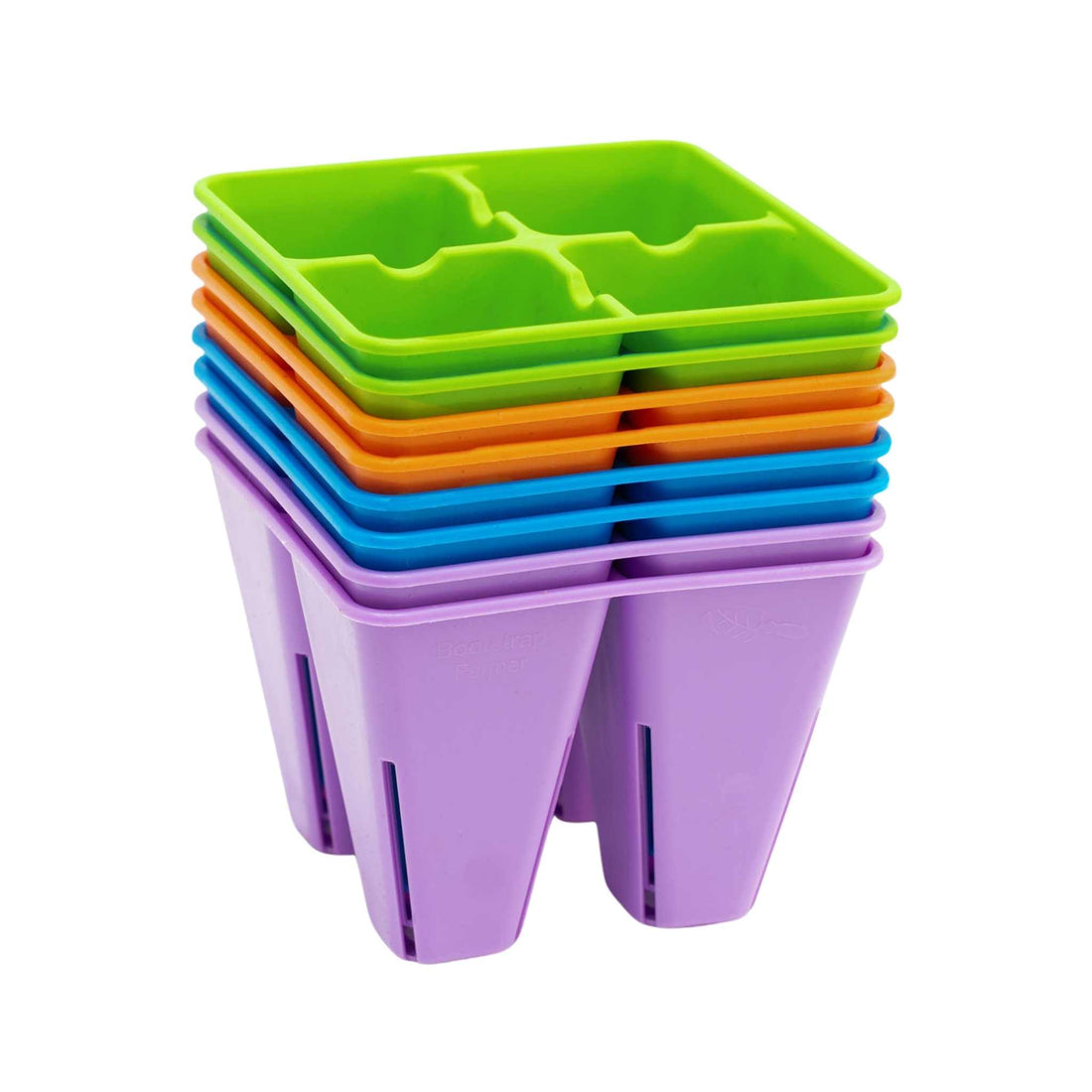 Bootstrap Farmer 4-Cell Inserts, Multicolor 8-pack | 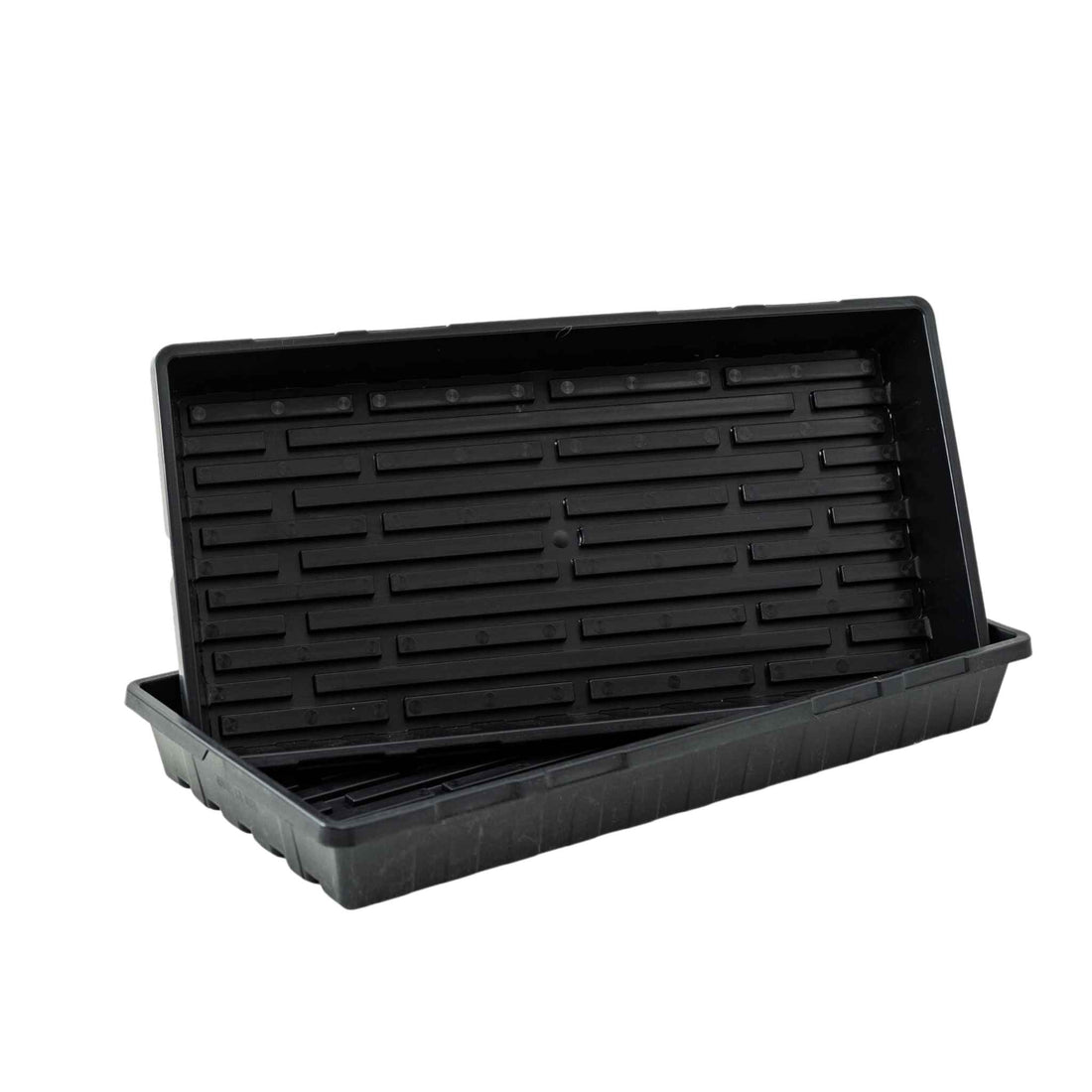 Bootstrap Farmer 1020 Deep Tray, Black / No Holes | 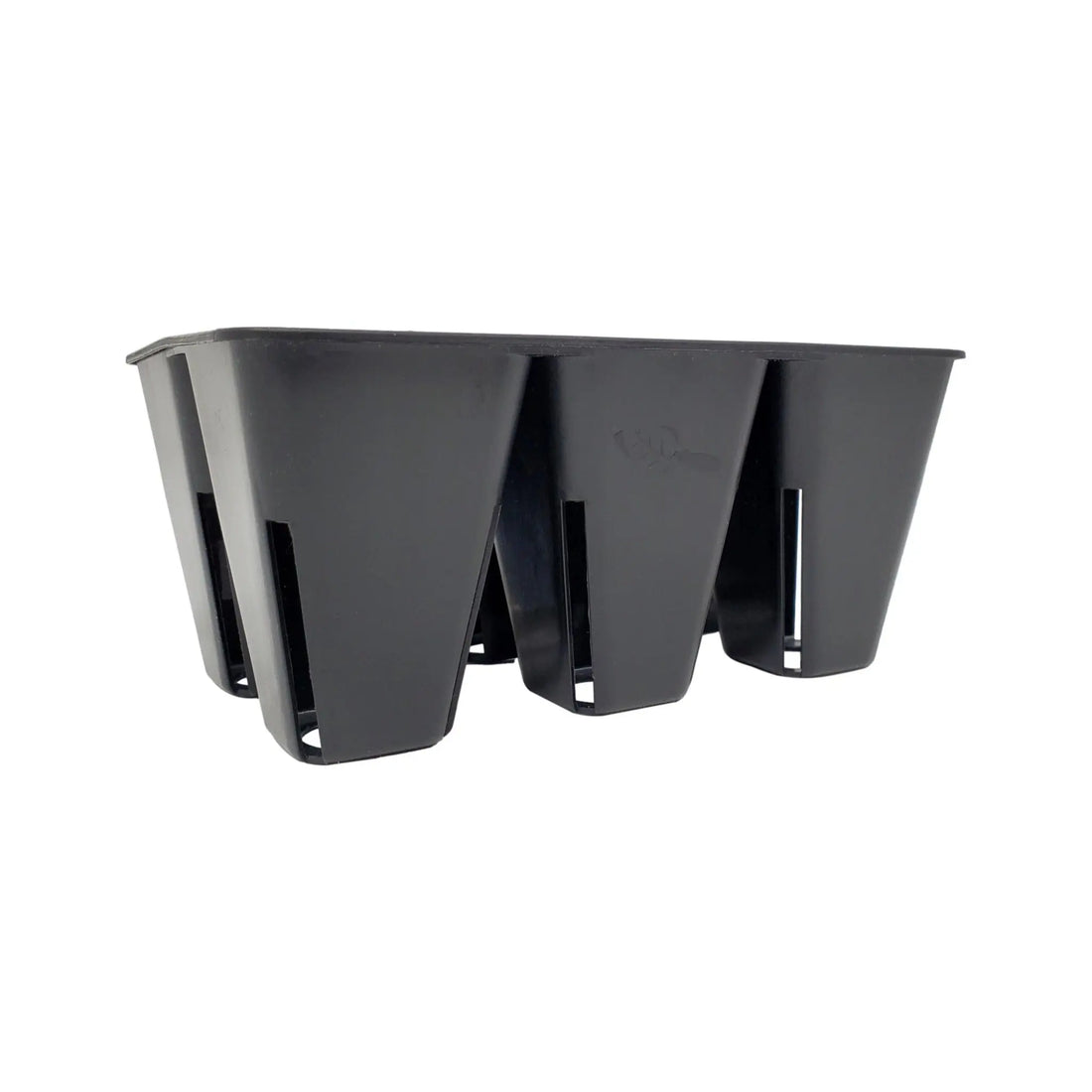 Bootstrap Farmer 6-Cell Inserts, Black 12-pack | 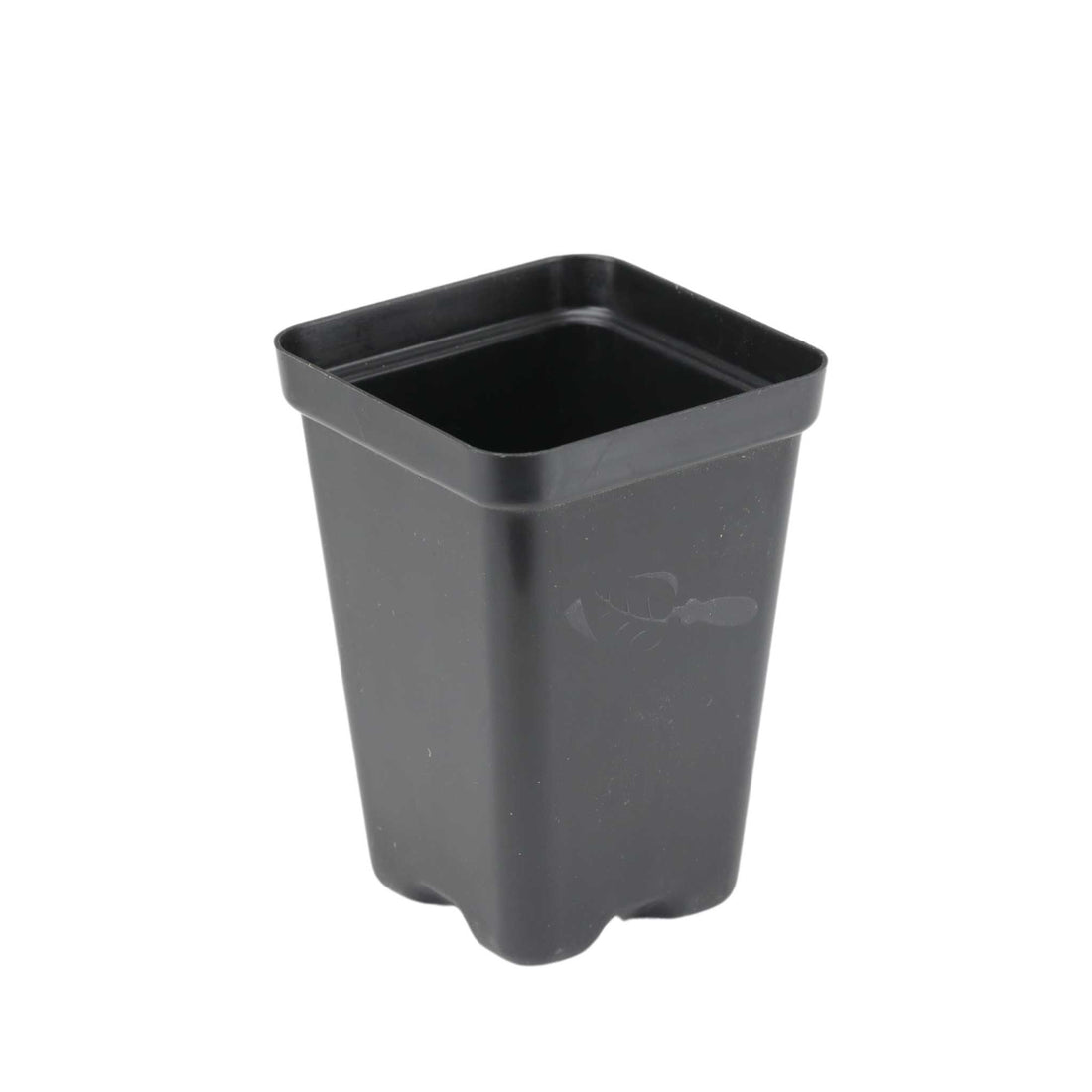 Bootstrap Farmer 2.5-inch Starter Pots, Black 40-pack |
|---|---|---|---|---|---|
| Part | 1010 deep tray, no holes | 4-cell inserts | 1020 deep tray, no holes | 6-cell inserts | 2.5-inch individual pots |
| Role in the layouts | Base for the small four-insert arrangement | Four inserts make 16 cells in the 1010 | Base for the larger arrangements | Twelve inserts make 72 cells in one 1020 | 32 pots per 1020; lift and rearrange separately |
Buy one coherent arrangement first
Choose the batch size and container format before collecting accessories. A small uncovered group in a half tray, a full tray of six-cell inserts and individual pots are different starting arrangements. Buying a little of each can leave you with more containers than shelf space and still miss the catching tray.
For the first order, mark each part as essential to that arrangement or optional. A dome is optional only if the growing plan allows it, and it must still be compatible if you buy one. Recheck the final list after any retailer substitution changes a tray depth or insert format.
- Name the exact base and whether it has holes.
- Write the documented insert or pot count.
- Add a carrier or cover only after checking its fit and exclusions.
- Bootstrap Farmer 1010 Deep Tray, Black / No Holes
- Bootstrap Farmer 4-Cell Inserts, Multicolor 8-pack
- Bootstrap Farmer 1020 Deep Tray, Black / No Holes
Sources for these notes
- Bootstrap Farmer 1010 Deep Tray, Black / No Holes — manufacturer specifications
- Bootstrap Farmer 1020 Deep Tray, Black / No Holes — manufacturer specifications
- Bootstrap Farmer 4-Cell Inserts, Multicolor 8-pack — manufacturer specifications
- Bootstrap Farmer 6-Cell Inserts, Black 12-pack — manufacturer specifications
- Bootstrap Farmer 2.5-inch Starter Pots, Black 40-pack — manufacturer specifications
Layout one: a small uncovered batch
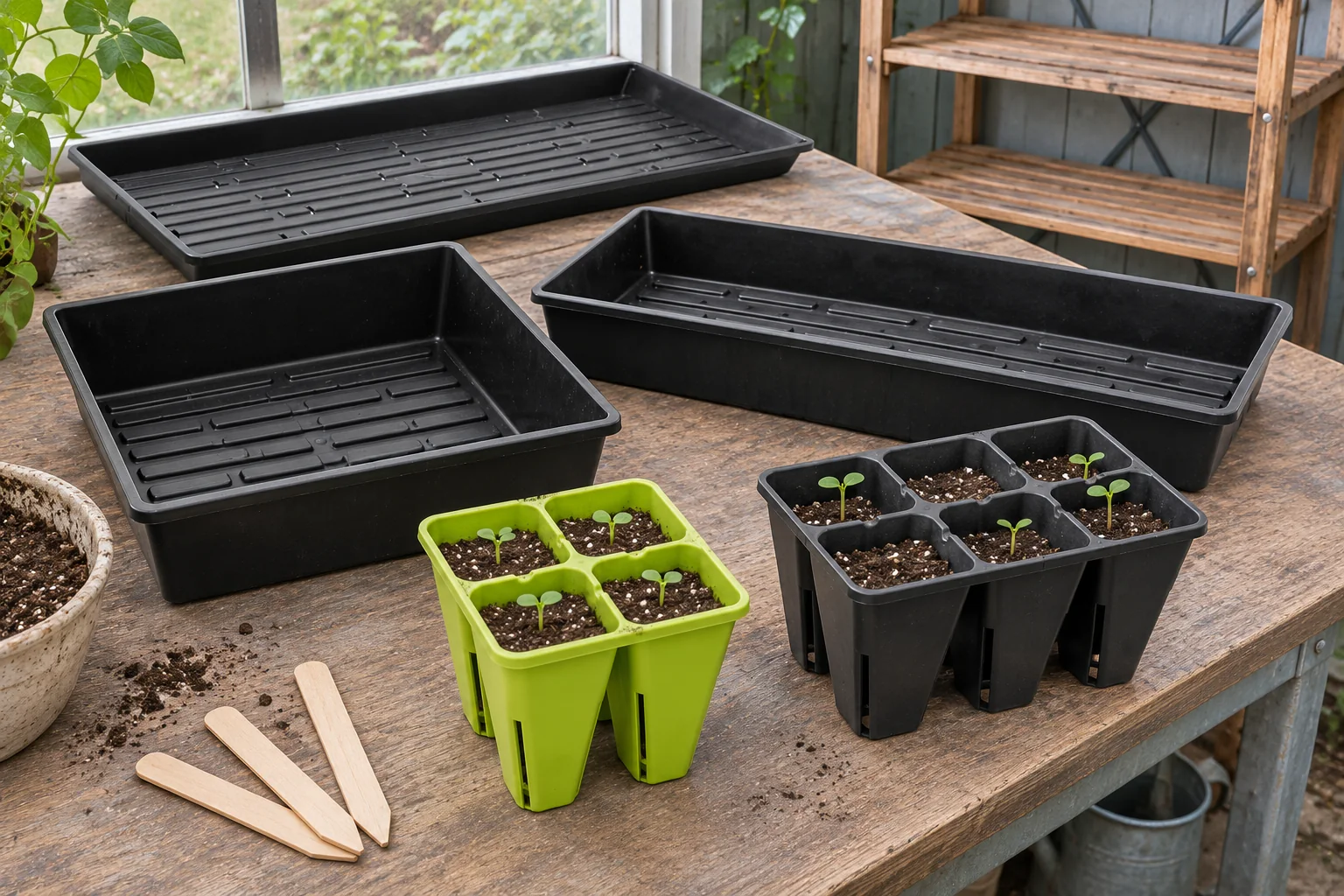
Start with one 1010 deep no-hole tray and four four-cell inserts. The manufacturer states that fit, giving sixteen cells without taking a full 1020 footprint. The selected eight-pack of inserts supplies enough for two such bases, so buy a second tray only if you need the extra batch.
Do not add a humidity dome to this combination by habit. The four-cell insert listing explicitly rules out the manufacturer’s 1010 and 1020 domes.
Layout two: many small cells in one base
One deep 1020 no-hole tray and twelve six-cell inserts give seventy-two cells. The chosen twelve-pack corresponds to that arrangement. It is a useful layout when the propagation plan calls for many smaller cells and you want to lift them in groups.
Before ordering, mark out the tray’s actual 21.1-by-11-inch footprint on the shelf. Also leave room for hands at the sides and space to put an insert down while working.
Layout three: pots you can move individually
One deep 1020 base with thirty-two of the 2.5-inch pots follows the listed arrangement. The selected pack contains forty, leaving eight spares. Those extras are not evidence that a denser arrangement will fit.
The manufacturer warns that sixteen of these pots do not fit the tapered 1010 tray. Halving the count of a 1020 layout is therefore not a reliable small-batch recipe. Use the smaller tray’s confirmed four-cell arrangement or check another documented pot combination.
Add only what the growing plan calls for
These are equipment layouts, not complete growing recipes. Seed, planting mix, labels, suitable light, and any cover requirements depend on what you intend to start. Establish those needs before buying an accessory bundle.
A useful first purchase is one arrangement that fits the available space and whose parts have a clear job. Adding a second identical base later is simpler than sorting through several nearly compatible systems.
Sources
- Bootstrap Farmer 1010 Deep Tray, Black / No Holes — manufacturer specificationsChecked November 15, 2026
- Bootstrap Farmer 4-Cell Inserts, Multicolor 8-pack — manufacturer specificationsChecked November 15, 2026
- Bootstrap Farmer 1020 Deep Tray, Black / No Holes — manufacturer specificationsChecked November 15, 2026
- Bootstrap Farmer 6-Cell Inserts, Black 12-pack — manufacturer specificationsChecked November 15, 2026
- Bootstrap Farmer 2.5-inch Starter Pots, Black 40-pack — manufacturer specificationsChecked November 15, 2026