
Seed-starting cell inserts vs. individual pots
Compare four nursery-container formats by how many fit a tray and how they can be moved. More cells per tray is only useful when that is the arrangement you need.
The useful differences
Scroll sideways to compare.
| Compare | 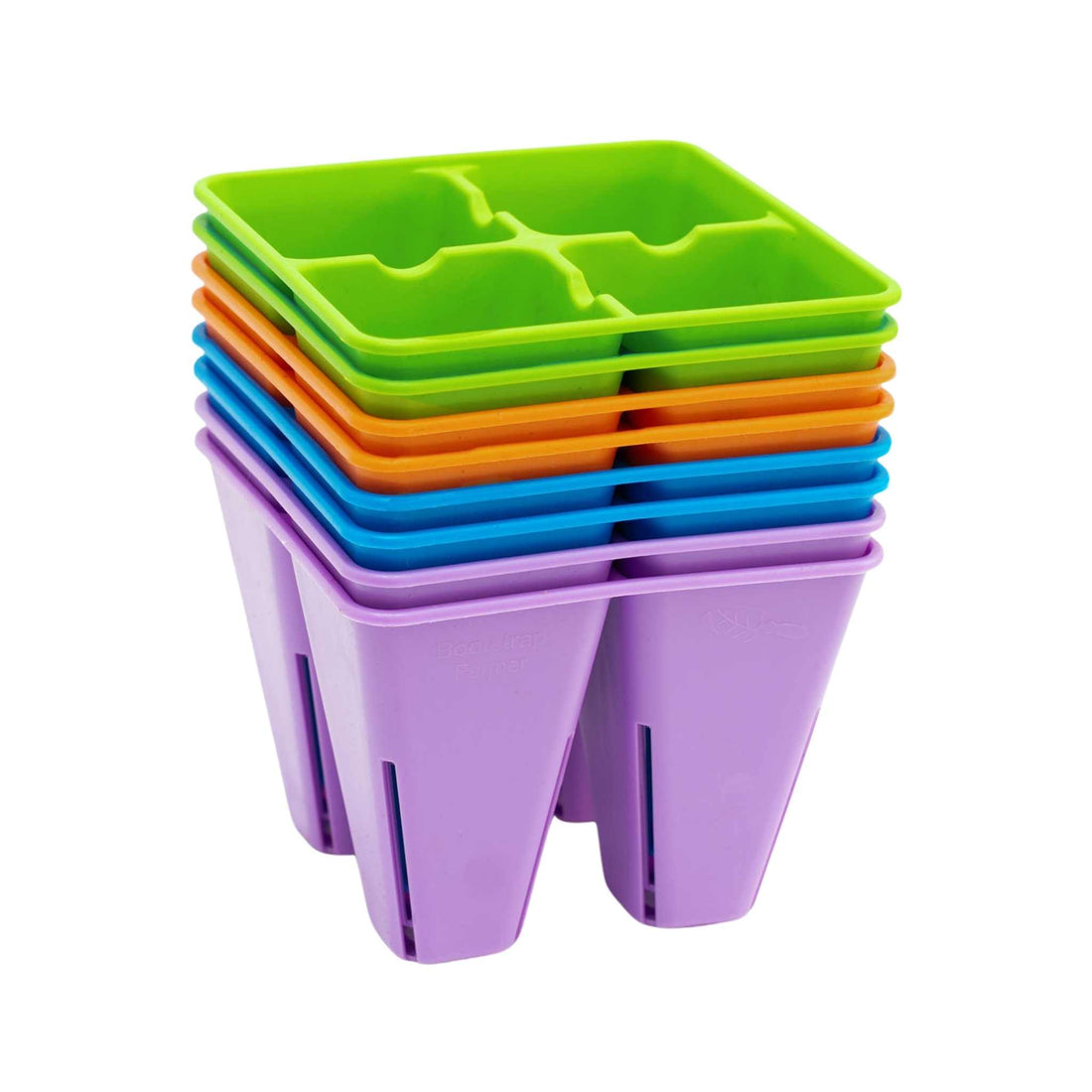 Bootstrap Farmer 4-Cell Inserts, Multicolor 8-pack | 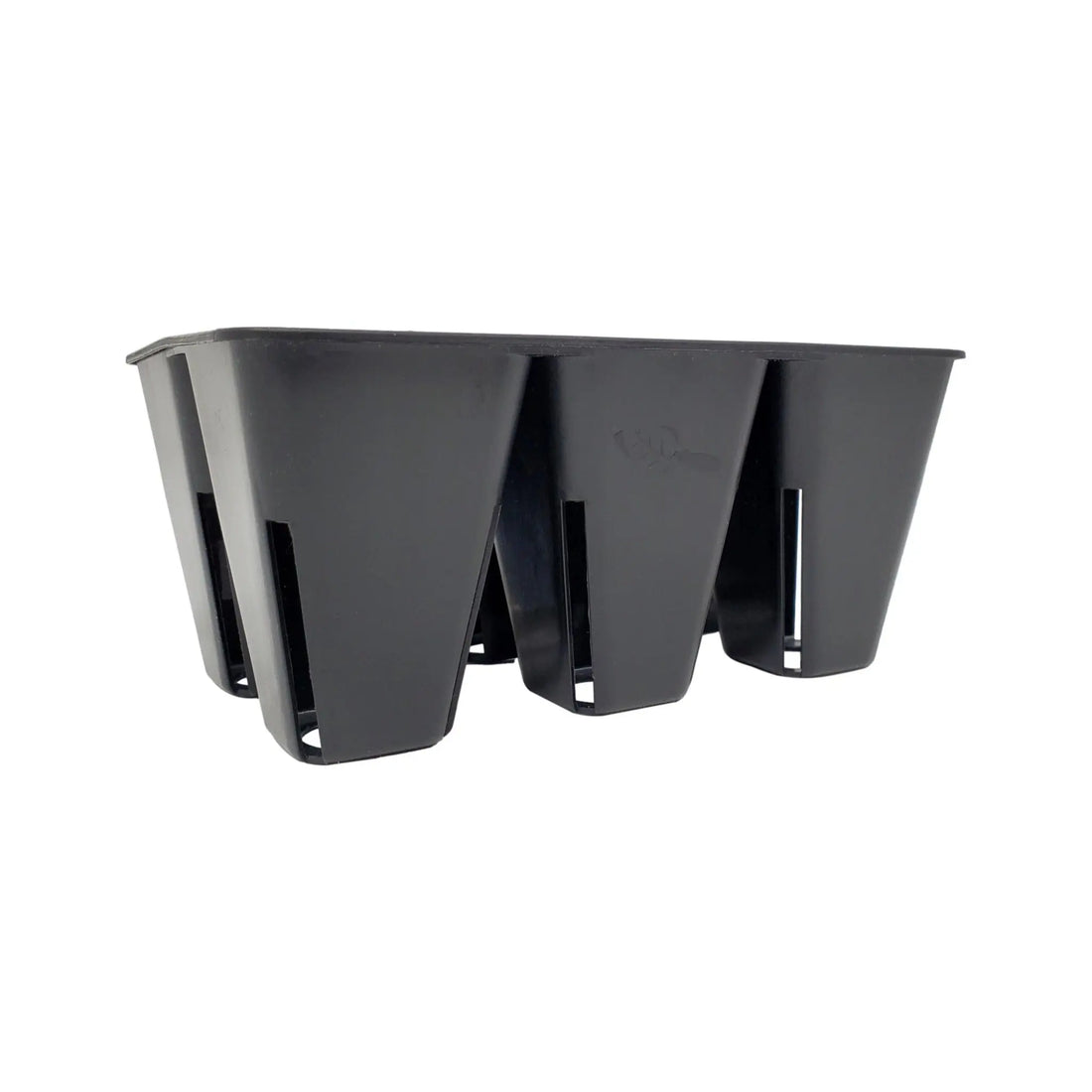 Bootstrap Farmer 6-Cell Inserts, Black 12-pack | 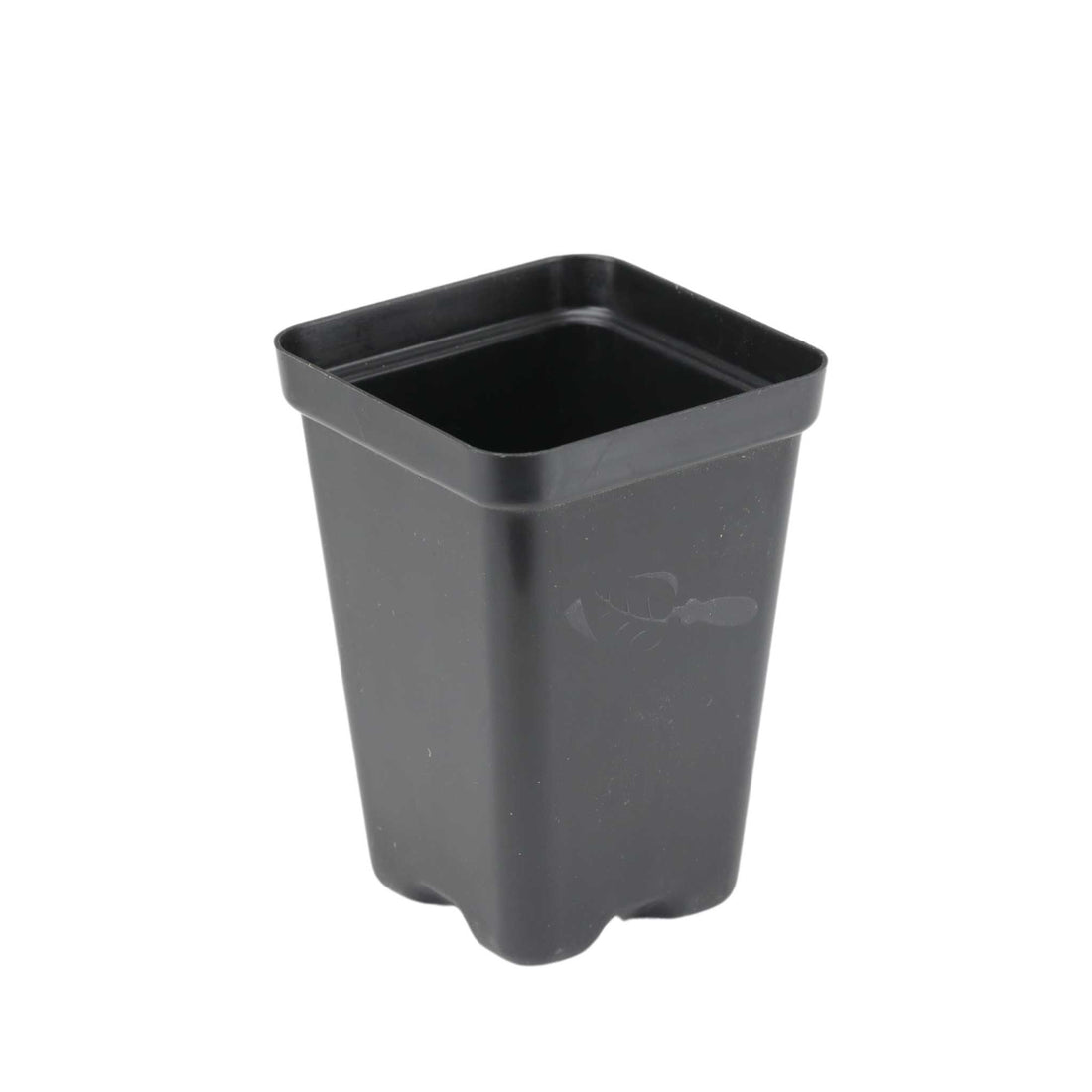 Bootstrap Farmer 2.5-inch Starter Pots, Black 40-pack | 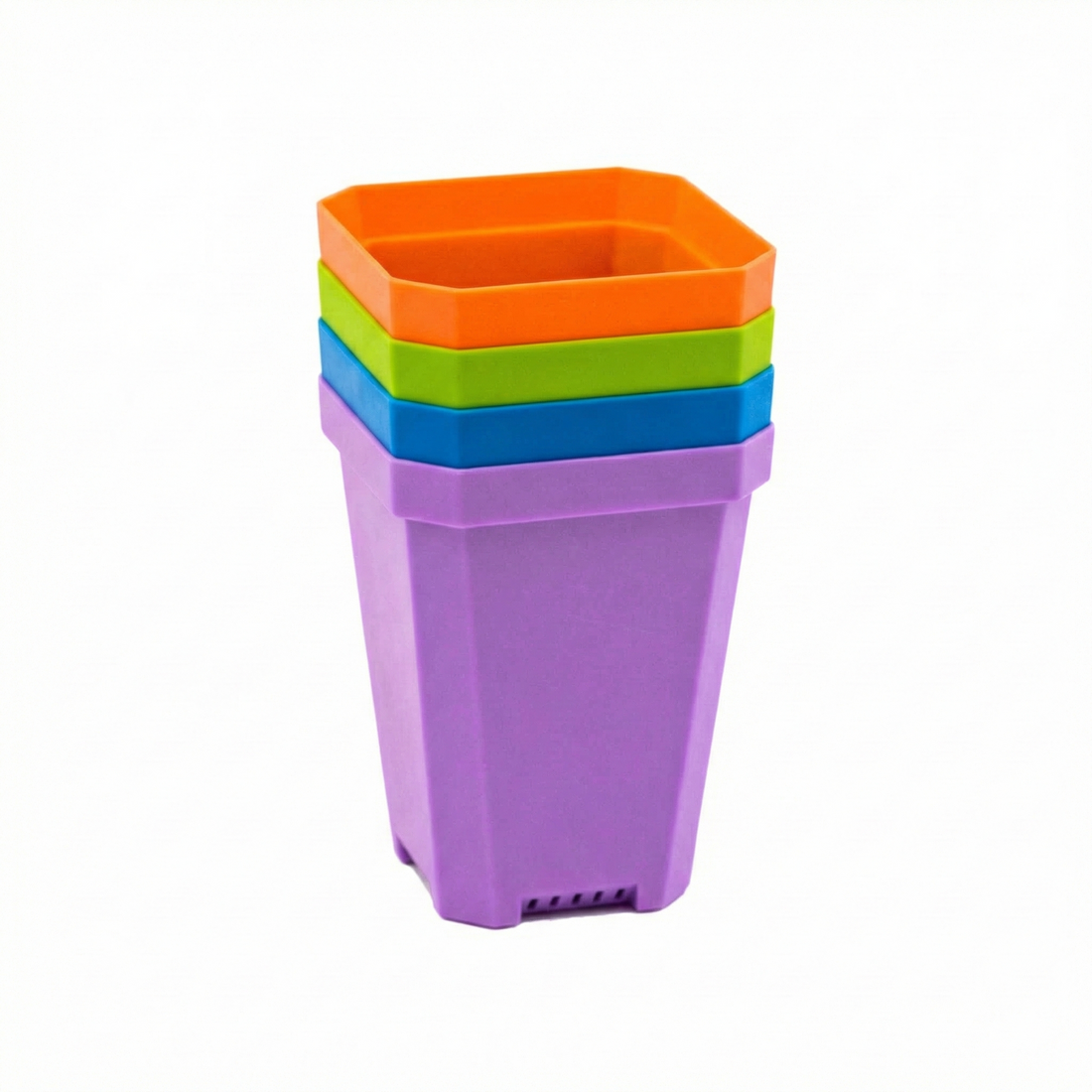 Bootstrap Farmer 3.3-inch Starter Pots, Multicolor 36-pack |
|---|---|---|---|---|
| Per deep 1020 tray | 8 inserts / 32 cells | 12 inserts / 72 cells | 32 individual pots | 18 individual pots |
| Container format | Four deep cells in each insert | Six smaller cells in each insert | 2.5-inch square pots | 3.3-inch wide pots |
| Detail to check | Not compatible with the brand’s domes | Cells move as a group of six | A 40-pack leaves 8 after filling one tray | A 36-pack fills two trays at the stated count |
Count the units you will move later
Tray density is only one part of the decision. Think about whether you will want to move one pot, one four-cell insert or one six-cell insert at a time. The container format changes how a batch can be rearranged after it no longer belongs together.
Write retail quantity on one line and tray packing on another. Forty small pots, thirty-six larger pots and a twelve-pack of six-cell inserts are purchase quantities, not interchangeable tray capacities. Keep a third line for any carrier or cover, including the explicit exclusions.
- Count plants, cells, inserts and retail packs separately.
- Plan where the next group of containers will sit.
- Do not divide a full-tray count to guess half-tray compatibility.
- Bootstrap Farmer 4-Cell Inserts, Multicolor 8-pack
- Bootstrap Farmer 6-Cell Inserts, Black 12-pack
- Bootstrap Farmer 2.5-inch Starter Pots, Black 40-pack
Sources for these notes
- Bootstrap Farmer 4-Cell Inserts, Multicolor 8-pack — manufacturer specifications
- Bootstrap Farmer 6-Cell Inserts, Black 12-pack — manufacturer specifications
- Bootstrap Farmer 2.5-inch Starter Pots, Black 40-pack — manufacturer specifications
- Bootstrap Farmer 3.3-inch Starter Pots, Multicolor 36-pack — manufacturer specifications
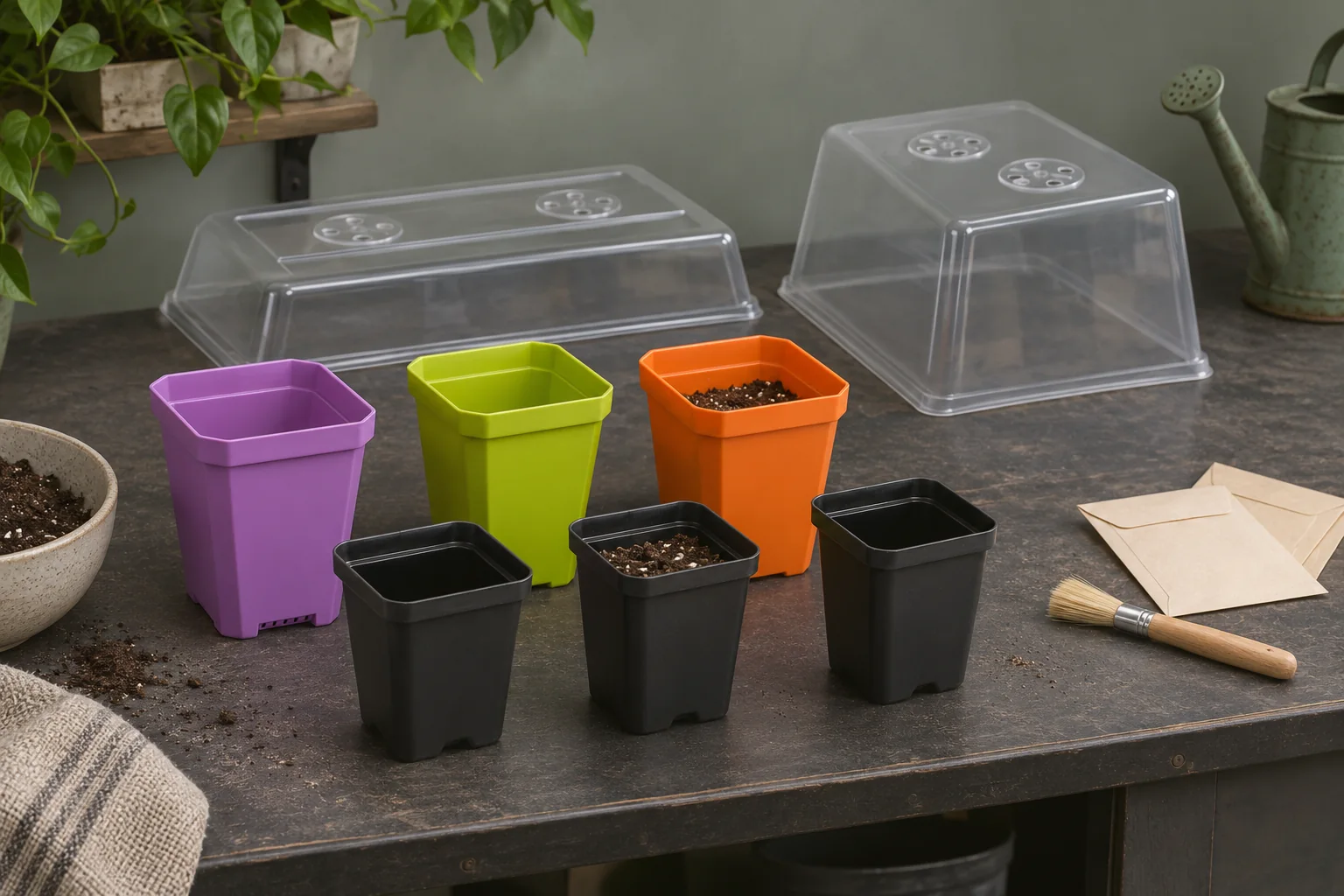
Choose the unit you want to move
With an insert, several plants share one removable piece. Individual pots can be rearranged one at a time. That difference matters when you want to separate labels, move part of a batch, or make room for a different pot size.
The four-cell and six-cell formats also use different cell dimensions. Counting only the total plants per tray hides the amount of space allocated to each cell. Choose the container size for the propagation plan you are following, then work out the tray count.
Pack size is not tray capacity
A pack is the quantity sold. Tray capacity is the number that fits the intended base. The selected 40-pack of small pots does not mean 40 go in one 1020 tray; the manufacturer gives a 32-pot layout.
Likewise, 36 of the larger pots supply two stated 18-pot arrangements. Writing “one tray plus enough pots to fill it” as an actual parts list prevents accidentally ordering a large pack and assuming it is one matched set.
Leave room for the parts above and below
Each format drains, so plan the catch tray below. If you want a cover, check the complete assembled height and rim fit too. Bootstrap Farmer specifically excludes the four-cell inserts from its 1010 and 1020 domes.
A carrier insert adds another component and can change dome compatibility. Do not assume that a pot, carrier, base tray, and cover all work together because every listing mentions 1020 somewhere.
Sources
- Bootstrap Farmer 4-Cell Inserts, Multicolor 8-pack — manufacturer specificationsChecked November 15, 2026
- Bootstrap Farmer 6-Cell Inserts, Black 12-pack — manufacturer specificationsChecked November 15, 2026
- Bootstrap Farmer 2.5-inch Starter Pots, Black 40-pack — manufacturer specificationsChecked November 15, 2026
- Bootstrap Farmer 3.3-inch Starter Pots, Multicolor 36-pack — manufacturer specificationsChecked November 15, 2026