
Which humidity domes fit 1010 and 1020 trays?
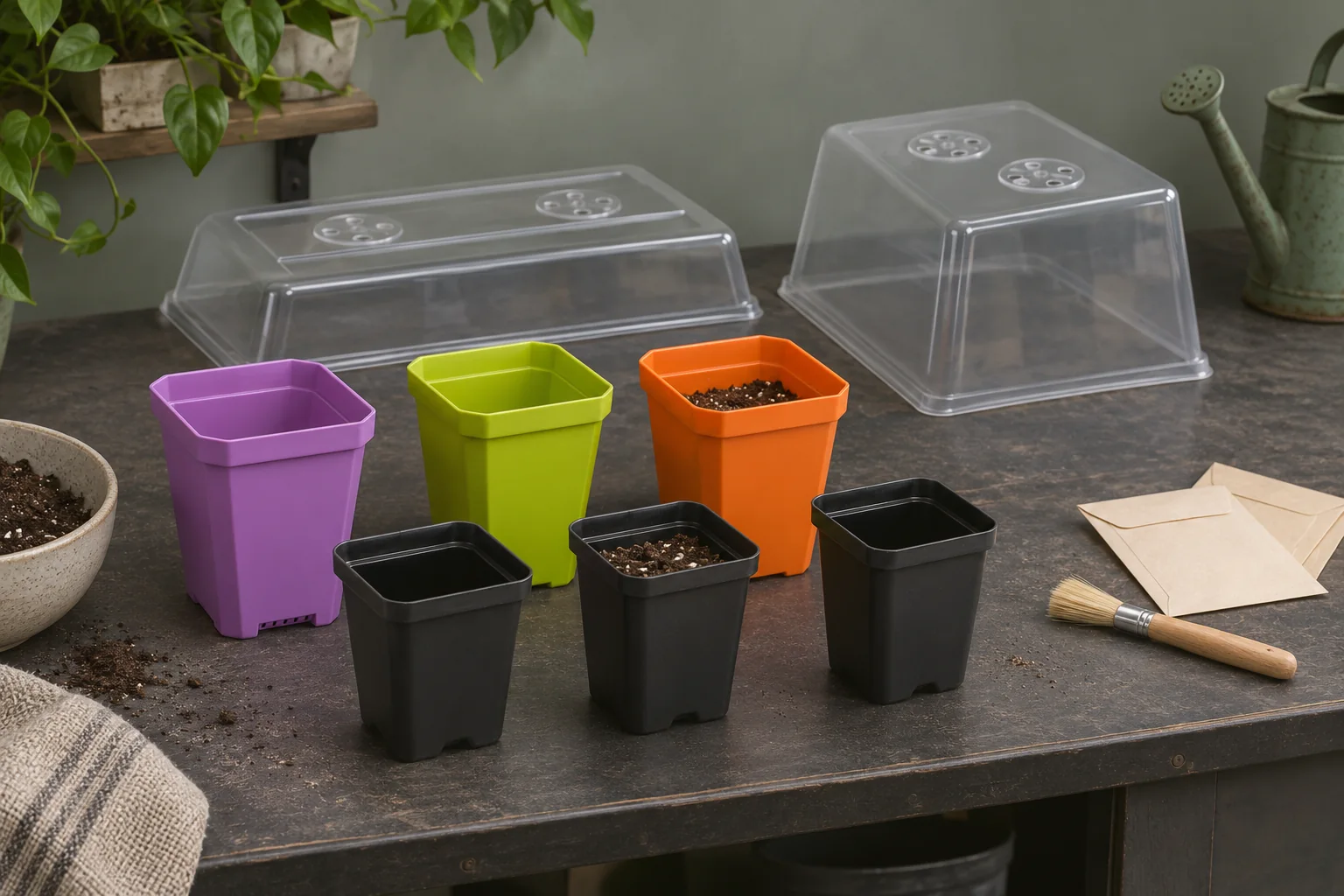
Start with the complete stack: base tray, cells or pots, optional carrier, and cover. Two domes and two insert formats reveal why the shared size name is not enough.
The useful differences
Scroll sideways to compare.
| Compare | 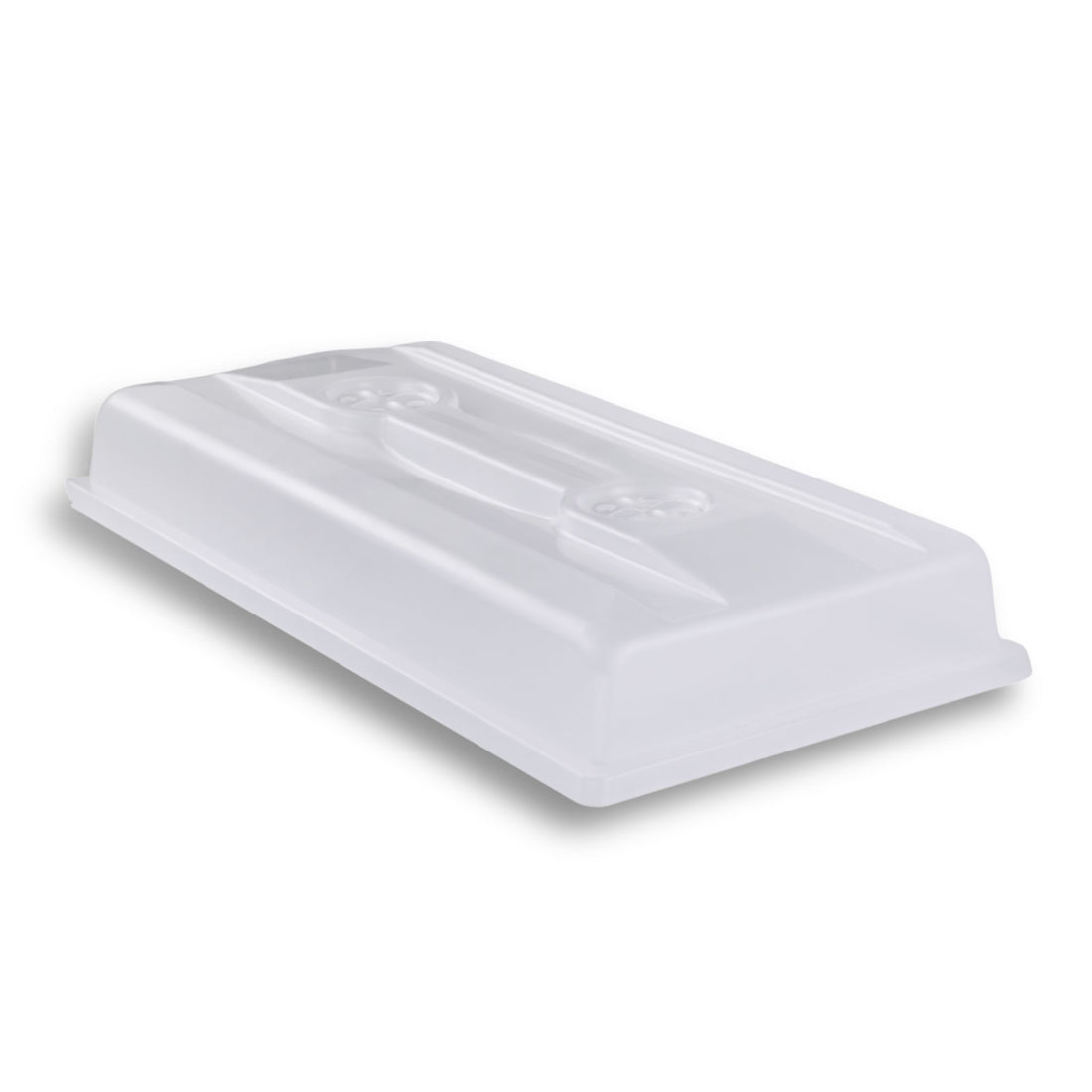 Bootstrap Farmer 1020 2.5-inch Humidity Dome, Clear | 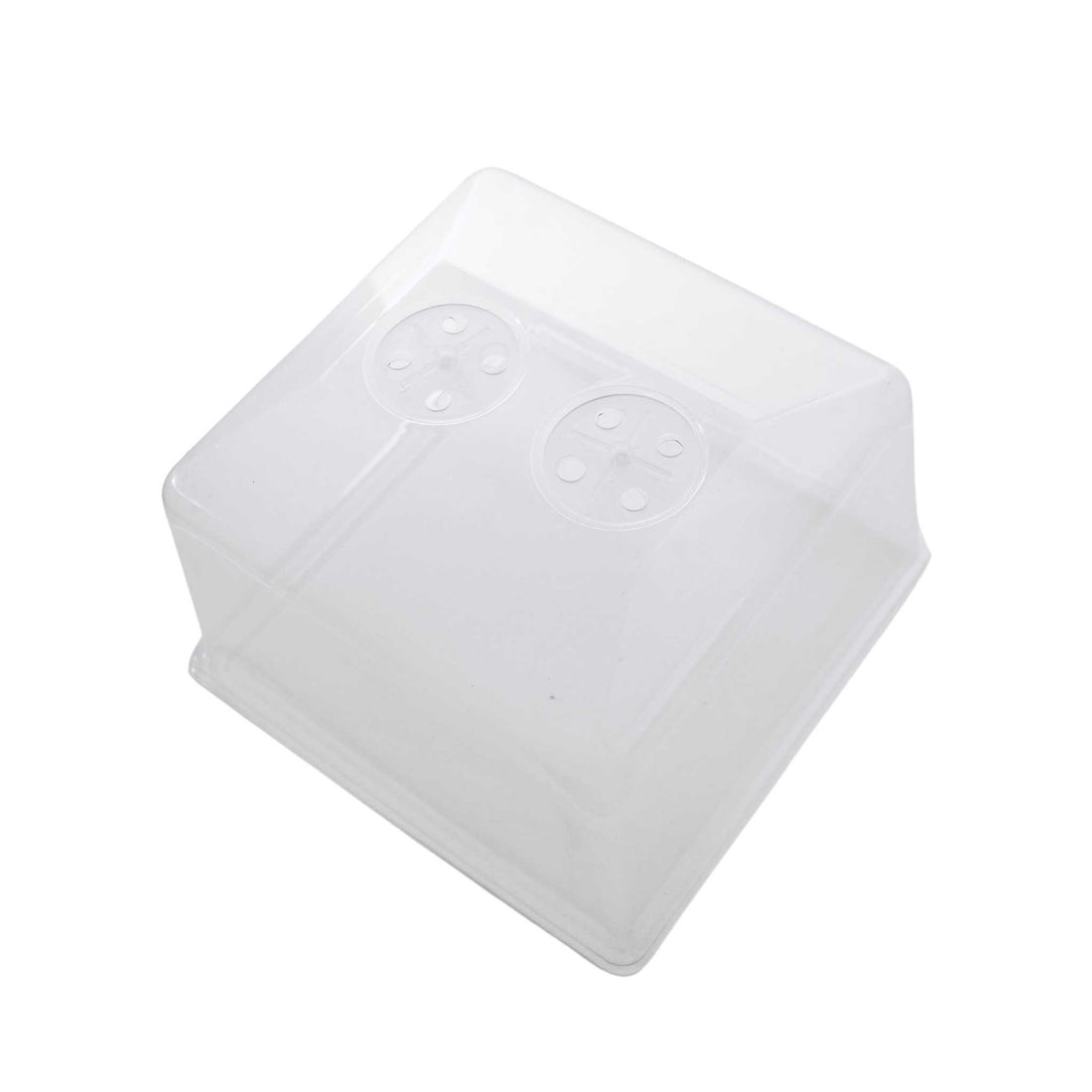 Bootstrap Farmer 1010 5.5-inch Humidity Dome, Clear | 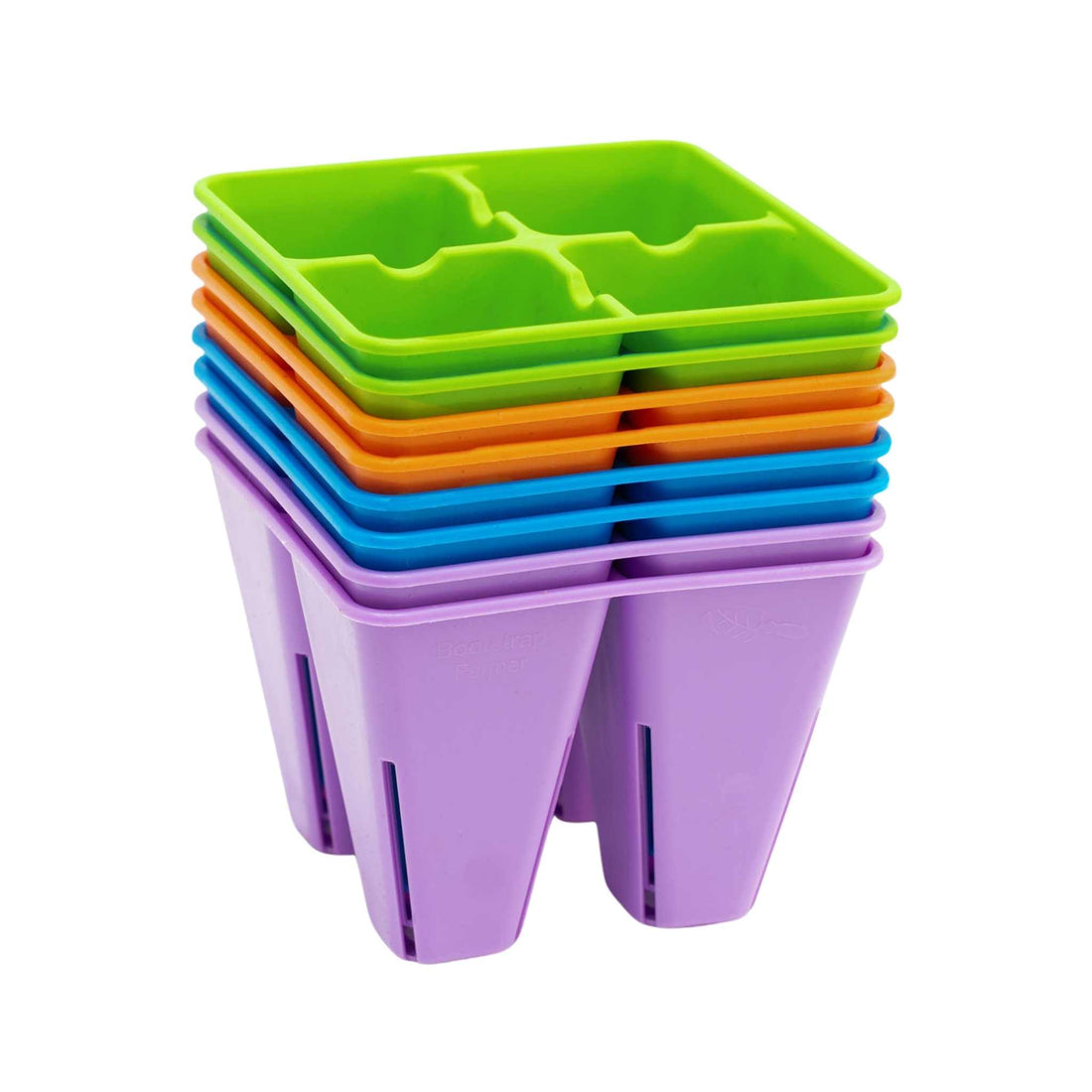 Bootstrap Farmer 4-Cell Inserts, Multicolor 8-pack | 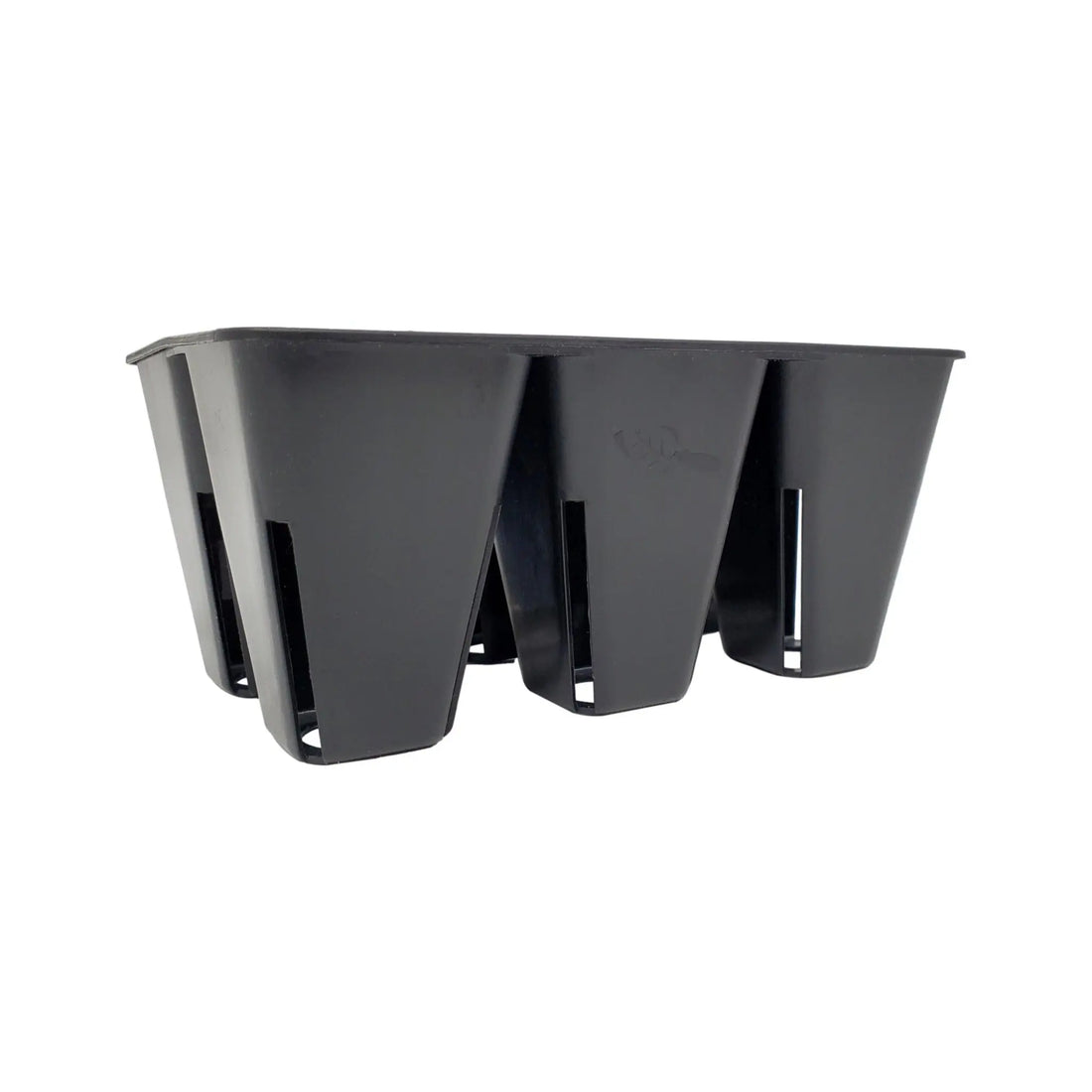 Bootstrap Farmer 6-Cell Inserts, Black 12-pack |
|---|---|---|---|---|
| Part | 2.5-inch-high 1020 dome | 5.5-inch-high 1010 dome | 4-inch-high four-cell insert | 2.25-inch-high six-cell insert |
| Confirmed relationship | Rests on Bootstrap Farmer 1020 trays | Fits the brand’s deep and shallow 1010 trays | Fits the stated 1010/1020 base-tray counts | 12 per 1020 tray |
| Limit to remember | Excludes four-cell inserts and certain pot/carrier combinations | Does not make four-cell inserts compatible | Manufacturer excludes both dome families | Use the matching system and allow growing headroom |
Order the stack as a named set of parts
Write the base tray, insert or pot, optional carrier and dome as four separate lines. Check each connection rather than treating 1010 or 1020 as a promise that all pieces nest. The four-cell exclusion is a good example of a rim-compatible name failing to describe the whole setup.
Check where the assembled system will live as well. The dome needs room to lift away, and the manufacturer says to avoid direct sun. A shelf can pass the footprint check while still making the cover awkward to remove or placing the setup in the wrong location.
- Read exclusions before adding the cover to the basket.
- Do not infer a sealed rim from the word dome.
- Keep direct-sun and lifting-clearance checks on the setup note.
- Bootstrap Farmer 1020 2.5-inch Humidity Dome, Clear
- Bootstrap Farmer 1010 5.5-inch Humidity Dome, Clear
- Bootstrap Farmer 4-Cell Inserts, Multicolor 8-pack
Sources for these notes
- Bootstrap Farmer 4-Cell Inserts, Multicolor 8-pack — manufacturer specifications
- Bootstrap Farmer 6-Cell Inserts, Black 12-pack — manufacturer specifications
- Bootstrap Farmer 1020 2.5-inch Humidity Dome, Clear — manufacturer specifications
- Bootstrap Farmer 1010 5.5-inch Humidity Dome, Clear — manufacturer specifications
Read the exception as carefully as the headline
A cover listing can say it fits 1020 trays while an insert listing says that particular insert does not work with the cover. Those statements can both be true: the tray rim fits, but the assembled contents do not.
Here the manufacturer gives a specific exclusion for the four-cell inserts. Buying the taller 1010 dome is not a documented workaround. Keep that exclusion attached to the insert when comparing a different cover.
A cover rests on a system, not a rectangle
These domes rest on the tray rim; they are not sealed lids. Their outer measurements differ from the trays beneath them. Trying to prove fit from two rectangles alone misses the rim shape and the position of the contents.
For loose pots with carrier inserts, the 2.5-inch 1020 dome has further exclusions. Add the carrier to the written parts list rather than treating it as a harmless accessory that cannot affect height.
Leave clearance to lift the cover
Even a correctly matched dome needs space above the shelf to remove it. A tight rack can allow the cover to sit in place but force you to pull out the whole tray every time you need access.
The manufacturer warns against direct sunlight for these covers. Follow its placement and venting instructions and the requirements of the plants you are starting. This comparison establishes equipment fit; it does not prescribe a single humidity routine for every seed.
Sources
- Bootstrap Farmer 1020 2.5-inch Humidity Dome, Clear — manufacturer specificationsChecked November 15, 2026
- Bootstrap Farmer 1010 5.5-inch Humidity Dome, Clear — manufacturer specificationsChecked November 15, 2026
- Bootstrap Farmer 4-Cell Inserts, Multicolor 8-pack — manufacturer specificationsChecked November 15, 2026
- Bootstrap Farmer 6-Cell Inserts, Black 12-pack — manufacturer specificationsChecked November 15, 2026